
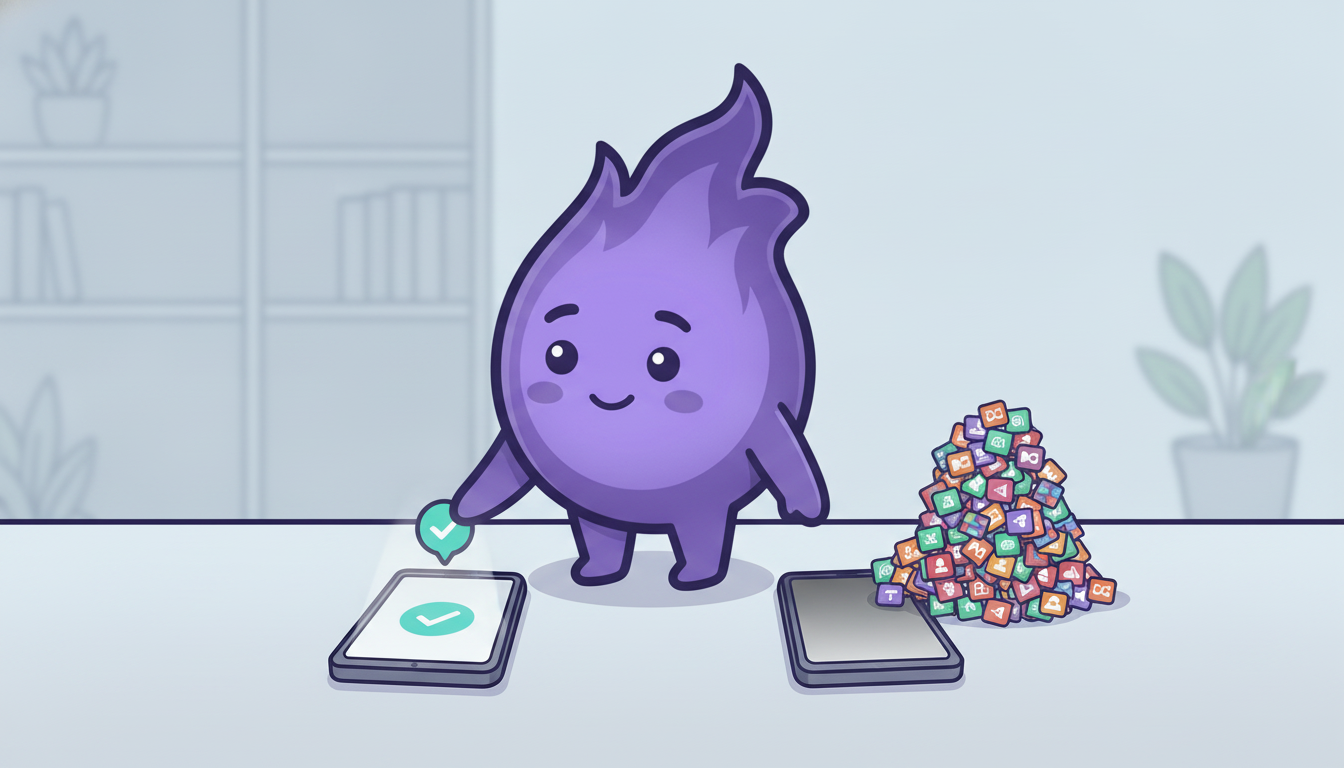
A little nudge: app push notifications in clinical trials
Push notifications can quietly make or break a decentralised trial. When they work well, participants remember their tasks, stay engaged, and feel supported. When they go wrong, people switch off notifications, disengage from the study, or withdraw entirely.
The difference is almost always in the design, not the technology. A large longitudinal study tracking 22,797 participants in a behaviour-change mHealth app over 78 weeks found that receiving and opening a prompt raised the likelihood of becoming active that week by only about three percentage points on average, a real but modest effect. The more interesting finding was in the detail: participants responded to messages that matched the programme's actual goal, and actively resisted ones that drifted off-topic, even mild promotional content. The lesson isn't that nudges don't work. It's that a generic, frequent nudge does far less than a specific, well-targeted one, and the two are easy to confuse when a team is simply trying to raise engagement numbers.
Why they work when they work
Well-timed, well-written notifications do three things:
- Reduce the cognitive load of remembering when to log data or attend a visit
- Reinforce the sense that someone is tracking the study and paying attention
- Replace some of the low-friction human contact that in-person studies provide naturally
In remote trials especially, a notification that feels personal and relevant can be the closest thing a participant has to a coordinator check-in between visits. That's worth taking seriously as a design brief in its own right: if a notification is standing in for a piece of human contact the study would otherwise be missing, it deserves the same thought a coordinator would put into a phone call, not the effort of a system default left unconfigured.
Why they fail when they fail
Notification fatigue is real and builds quickly:
- Shift workers who sleep during the day will miss morning reminders every time
- Sending the same wording repeatedly trains participants to ignore it
- Generic messages like "You have an item due" communicate nothing useful
- Sending five notifications in one day for a study that normally requires one interaction feels intrusive
Once a participant starts dismissing notifications without reading them, it is very hard to reverse, and the research above suggests the damage isn't limited to the specific message being ignored. Off-target or generic messaging appears to actively train recipients to be more resistant to future prompts, not just neutral toward the ones that missed the mark.
What good practice looks like
- Get explicit consent for push notifications during onboarding, not buried in a terms page
- Limit to one or two per day at most, matched to actual urgency
- Use specific language that tells participants exactly what they are being reminded about ("Your Day 12 symptom diary is ready")
- Keep sensitive health information out of notification previews, where it may be visible on a lock screen
- Monitor which notifications are being acted on and which are being dismissed, and adjust accordingly
- Tie every notification's content directly to the study's actual purpose, resisting the temptation to add general updates or off-topic content just because the channel exists
Privacy matters here too
Even a routine reminder appearing on a lock screen in a public place can inadvertently reveal study participation. For studies covering sensitive health topics, the notification itself may need careful wording to avoid disclosing information the participant would prefer to keep private.
This is worth raising with the ethics committee during protocol development rather than treating it as a platform configuration decision. It's a small design detail with an outsized consequence if it's missed: a study covering a stigmatised or sensitive condition could inadvertently disclose that participation to a partner, family member, or colleague who happens to glance at a phone screen, undermining the confidentiality the consent process promised.
The bottom line
Notifications are a frequent touchpoint. Treating them as an afterthought rather than as part of the participant experience is a missed opportunity at best and a retention risk at worst. Design them with the same care as any other participant-facing communication, and hold them to the same standard the research above points to: relevant and specific beats frequent and generic, every time.
The uncomfortable implication for a lot of study teams is that the fix isn't a better notification schedule or a smarter sending algorithm. It's writing fewer, better messages, and being willing to say no to a stakeholder who wants "just one more" reminder added to the sequence.