
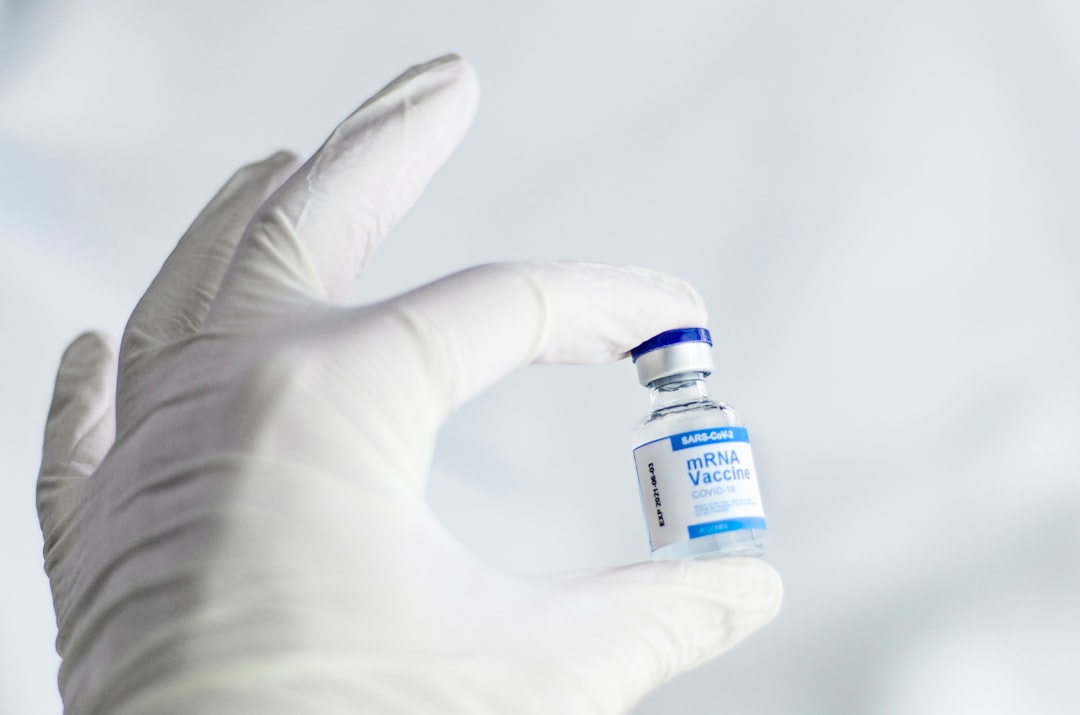
The future of COVID-19 trials
More than two years after COVID-19 emerged in early 2020, the picture of what clinical research in this area looks like has changed substantially. The initial wave of trials focused on urgent questions: which interventions could reduce severity, prevent transmission, or address the acute phase of infection. As those questions were answered (or set aside), the research landscape shifted.
The range of approaches studied
The breadth of COVID-19 trial activity has been remarkable. Across the research community, trials have investigated a strikingly wide spread of intervention types, often running in parallel rather than in sequence:
| Category | What was studied |
|---|---|
| Behavioural interventions | Social distancing, mask use, and public health education; separately, mental health, mindfulness, physical activity, and community wellbeing at scale |
| Biologicals | Vaccines from major manufacturers, alongside mRNA therapies, plasma treatments, and modified microbial strains intended to deliver antiviral activity |
| Devices | Apps and wearables for symptom monitoring and activity tracking; mask and ventilator equipment design and efficacy |
| Dietary supplements | Vitamins, minerals, and nutraceuticals, alongside microbiome-focused approaches including probiotics and dietary intervention studies |
| Drugs | Anti-inflammatory medications including dexamethasone, immunomodulators such as baricitinib and tocilizumab under emergency authorisation, and antivirals including remdesivir (veklury) |
Few, if any, other health crises in recent memory have prompted this much simultaneous investigation across such different intervention types. Mental health researchers, virologists, device engineers, and nutritionists all found themselves working on aspects of the same underlying problem at once.
The dexamethasone finding is a useful example of how fast that machinery could move when it needed to. The UK's RECOVERY trial, a large adaptive platform study enrolling patients across hundreds of NHS sites simultaneously, tested multiple candidate treatments against a shared control arm and reported a mortality benefit for dexamethasone within months of the drug being added to the protocol. That platform design, testing several arms at once against a common comparator rather than running separate trials in sequence, is itself one of the pandemic's lasting methodological contributions, and it's now being borrowed for research well outside infectious disease.
Where the research is heading
Trial registration data shows a decline from the peak of pandemic-era activity, but research continues, and the direction has shifted toward longer-term questions rather than acute-phase ones: the effects of repeat infection, the mechanisms and management of long COVID, and the durability of immune responses over time.
Long COVID in particular has moved from an anecdotal patient concern to a defined area of clinical study remarkably quickly. A comprehensive review of the emerging literature formalised the condition as persistent symptoms or delayed complications extending beyond four weeks from initial infection, affecting multiple organ systems rather than being confined to respiratory symptoms. Notably, the researchers behind that review credit patient advocacy groups, many of whose members self-identified as "long haulers" well before the medical literature caught up, with helping drive recognition of the syndrome in the first place. That's worth pausing on: in this instance, the people living with the condition surfaced the pattern before the research infrastructure was set up to study it formally, which is its own argument for taking patient-reported experience seriously as a genuine data source rather than a supplement to "real" clinical measures.
There is also growing interest in integrated approaches that combine behavioural, dietary, and biological strategies rather than testing each in isolation, treating long-term recovery as a multidisciplinary problem rather than one owned by a single specialty.
What COVID-19 changed about trial methodology itself
Beyond the specific questions being studied, the pandemic left a lasting mark on how trials are run. Site-based recruitment and monitoring became difficult or impossible for extended periods, and out of that constraint came a genuine, tested case for decentralised and remote trial design at a scale nothing before it had forced.
That shift hasn't reversed as restrictions lifted. Remote consent, app-based symptom tracking, and hybrid site models that were adopted out of necessity during 2020 and 2021 are increasingly the default starting point for new protocol designs, well beyond infectious disease research. In that sense, the pandemic's most durable research legacy might not be any single treatment finding, but the demonstration that a large share of what a trial needs from its participants can be collected without requiring them to be in the same room as the research team.
Two years on, that's arguably the more consequential shift. Individual drug and vaccine results will be superseded as the science moves forward, as it always does. The infrastructure and appetite for running trials differently, built under pressure and kept afterwards because it worked, is the part likely to still be shaping research design a decade from now.