Upcoming posts that have been written and are waiting to go live.
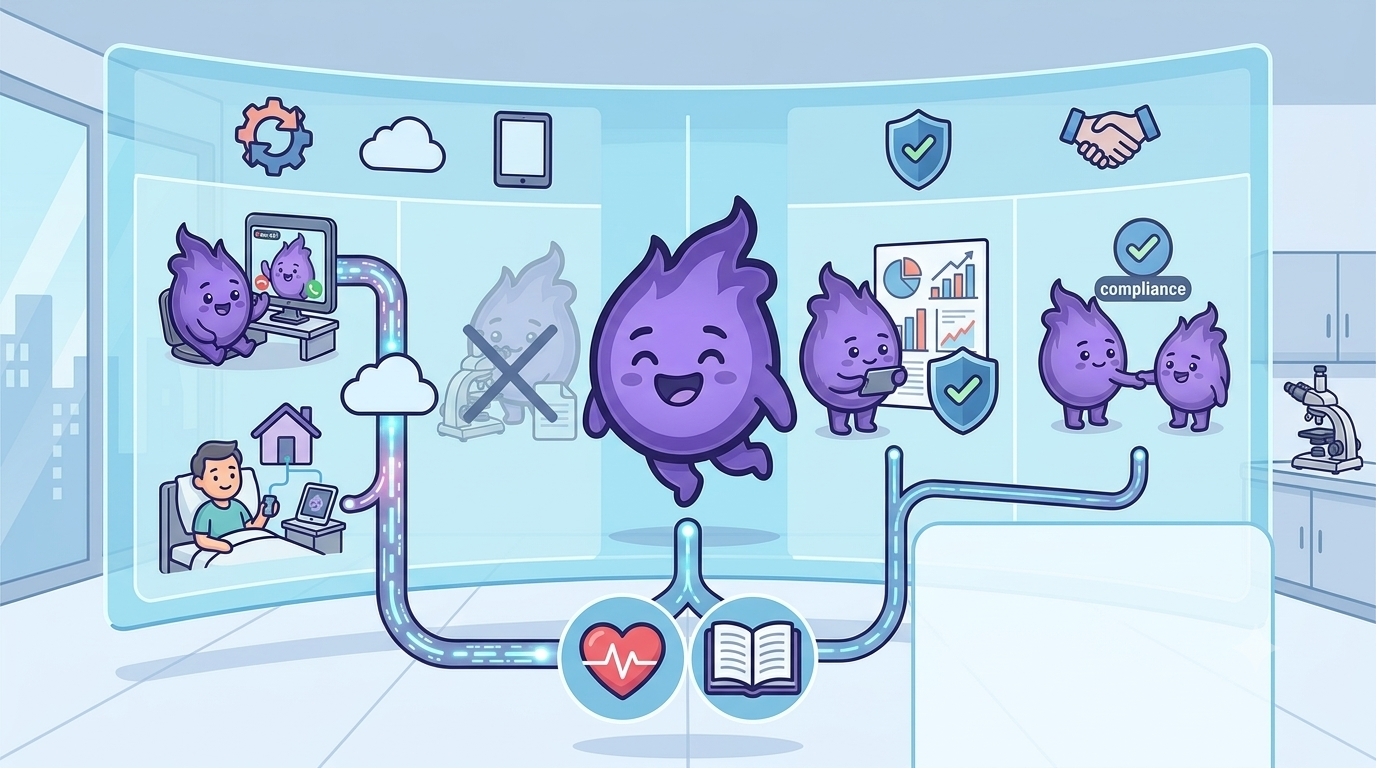
No sites, no binders, no physical visits. But fully virtual trials still need structure, support, and oversight. The work doesn't disappear - it just changes shape.
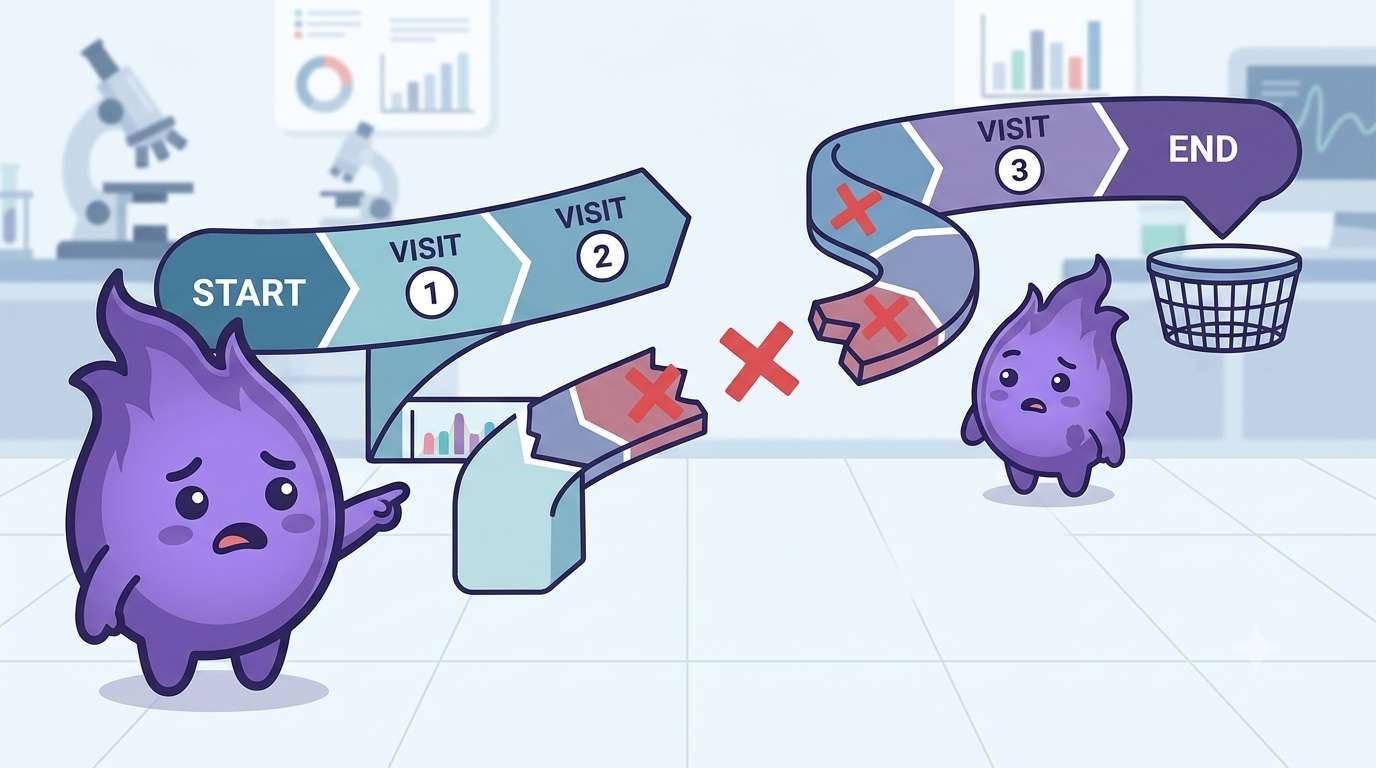
Participants rarely disengage all at once. It often starts slowly, in the middle stretch. This post explores how to spot it, how to respond, and how to design for it.
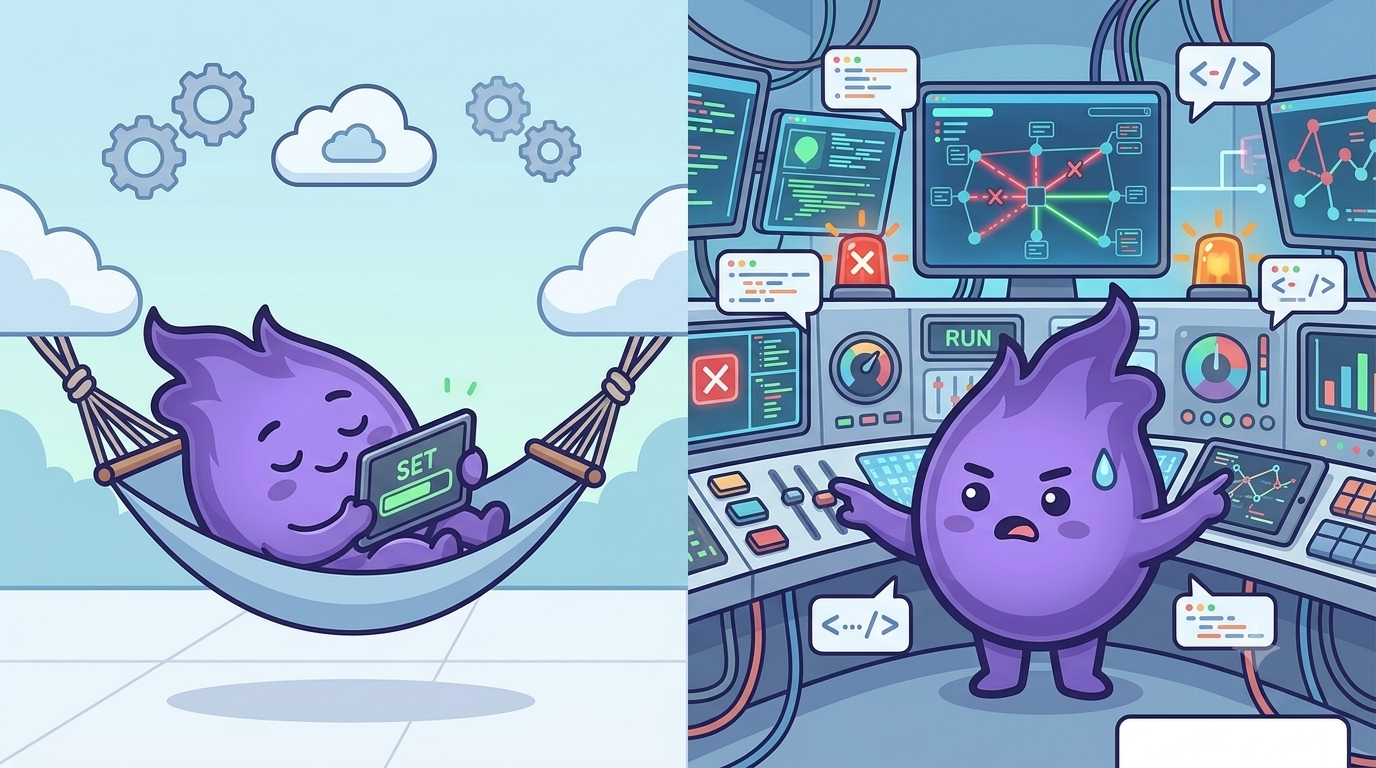
You don't set and forget a participant app. Real-world use reveals what works, what doesn't and what needs adjusting to keep engagement and data quality high.
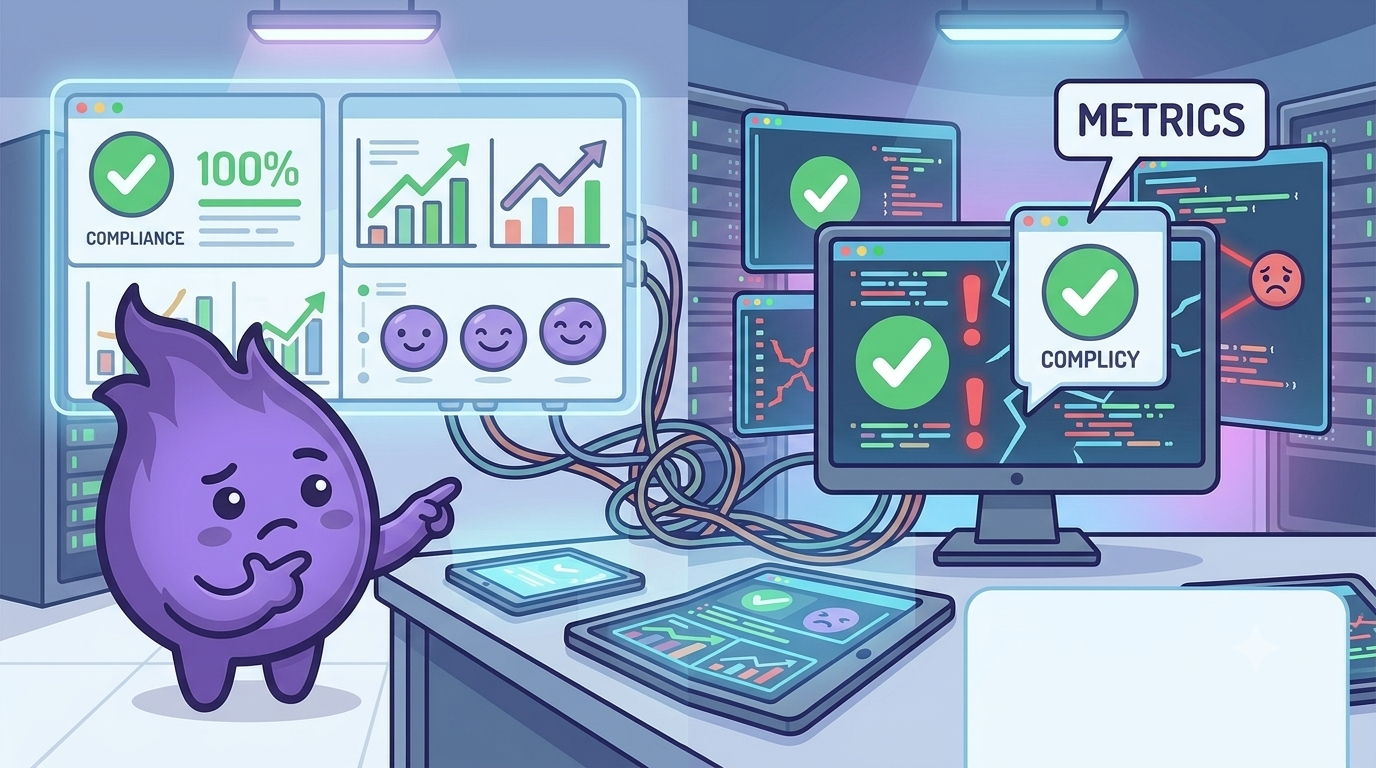
95% compliance looks great until you realise it's the same symptom score repeated ten days in a row. High rates can hide low engagement if we don't ask how the data was really collected.
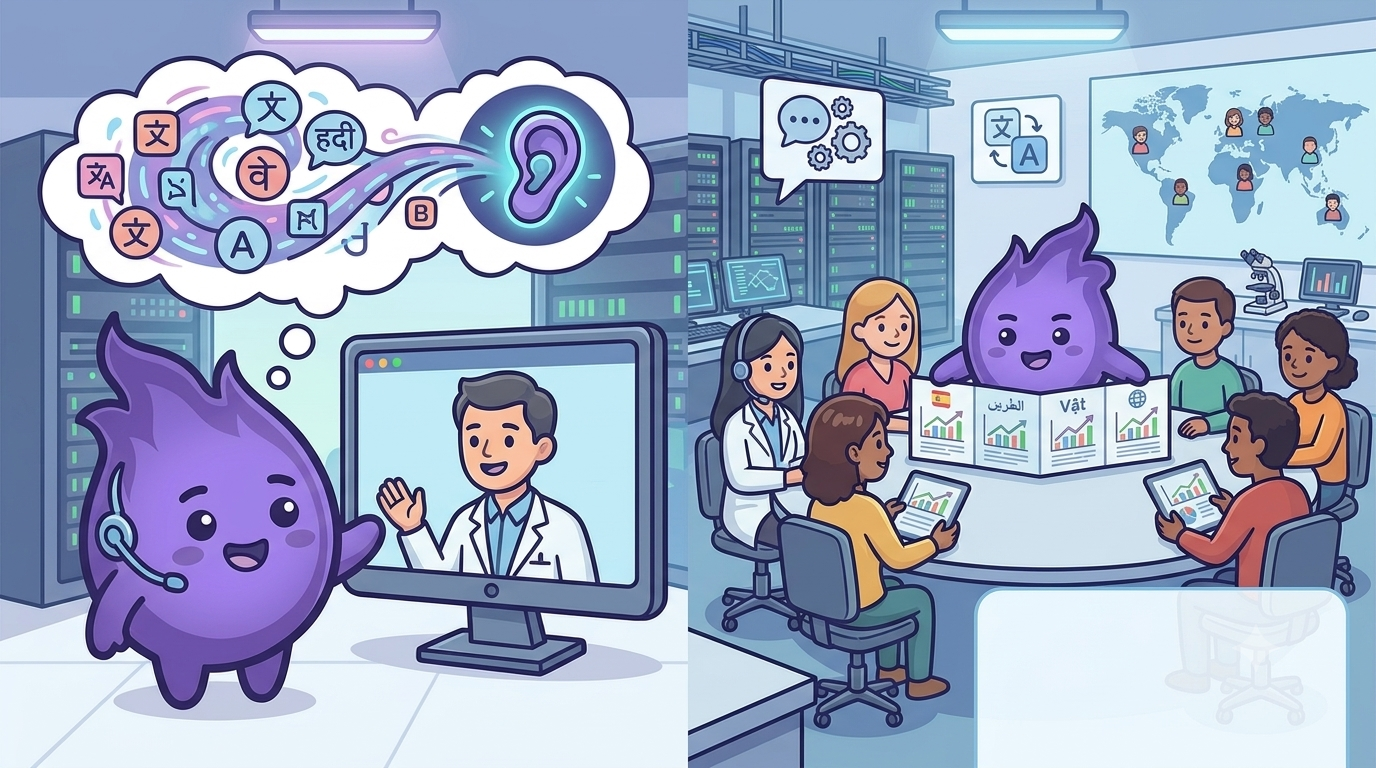
Language is not a finishing touch in digital trials. It is the interface between your study and its participants. And it shapes trust more than we realise.
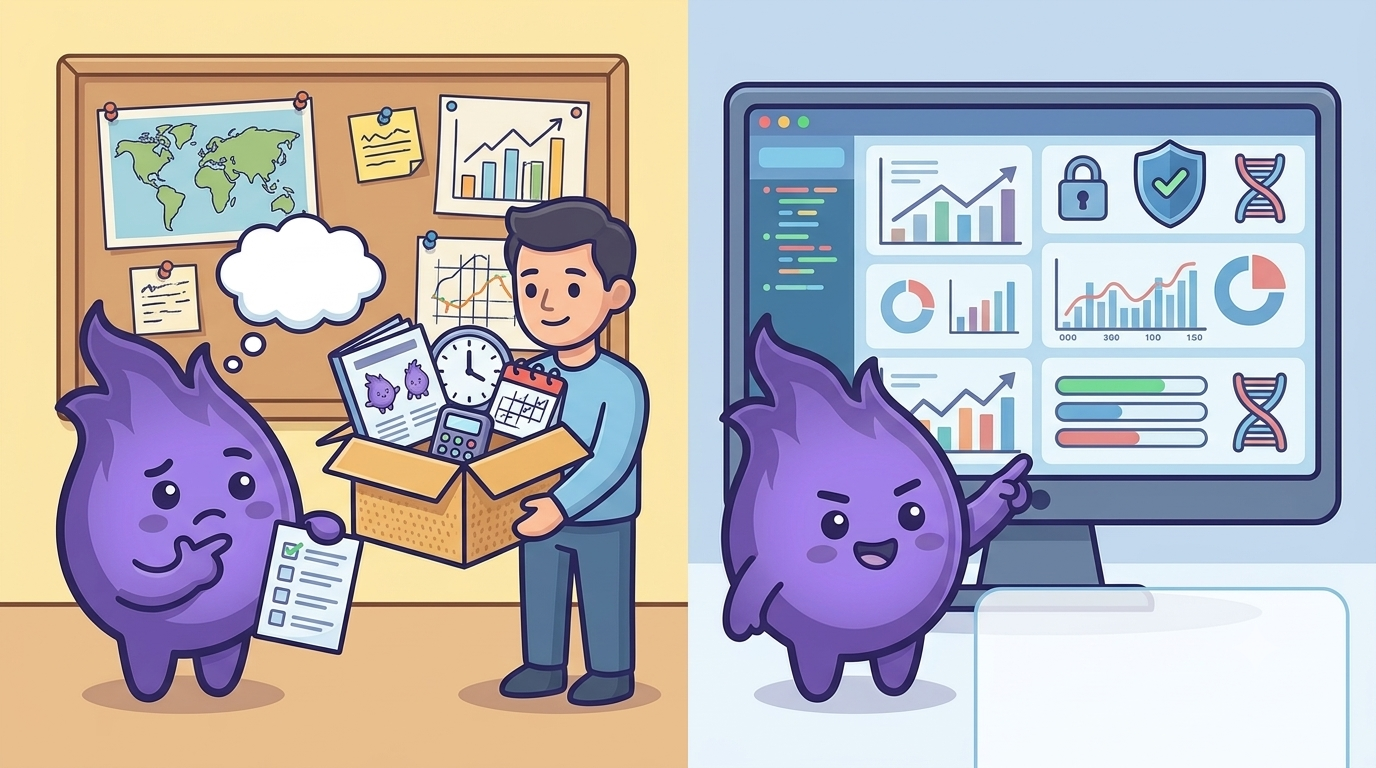
The best digital trials are not just designed for the digitally fluent. They are built to include those who need the most support, not just those with the newest devices.
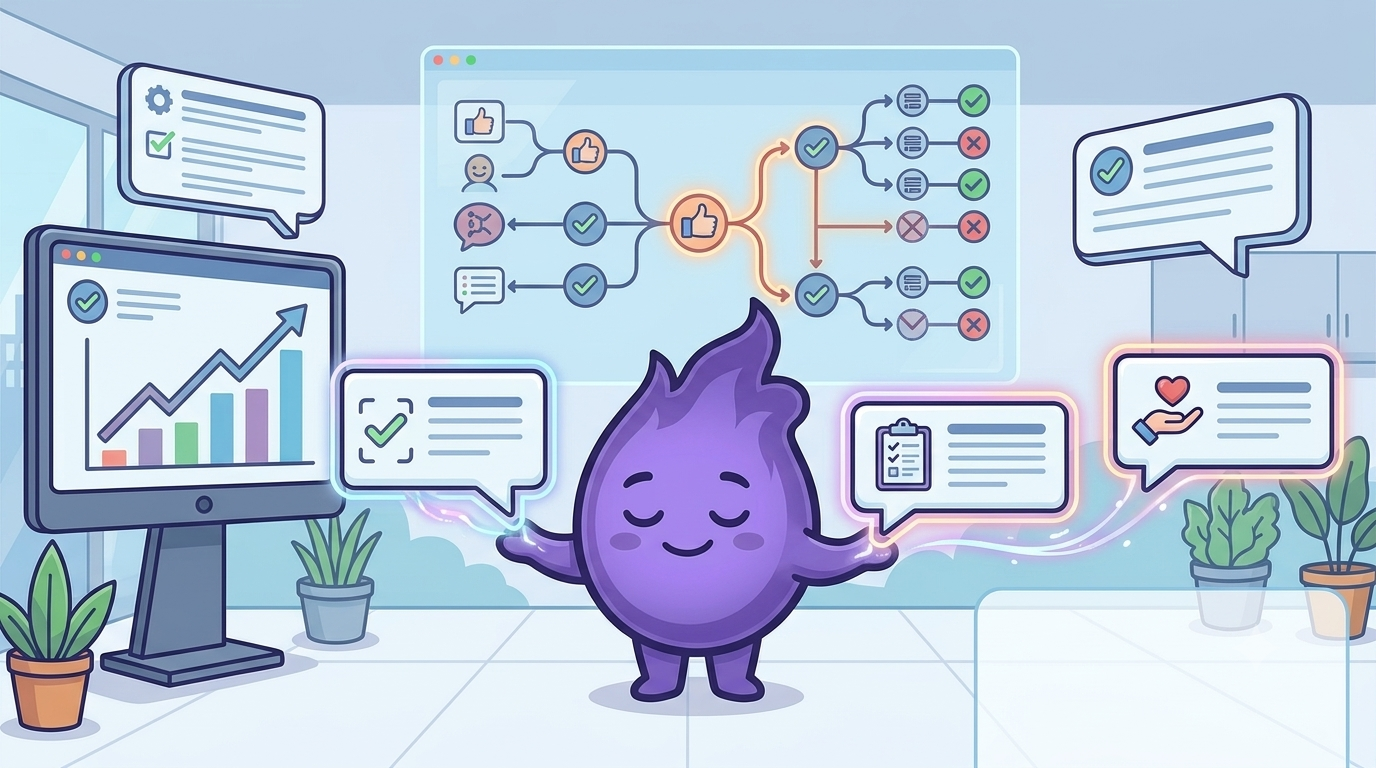
Reminders inform. Nudges shape behaviour. Smart trials use both, and know the difference.
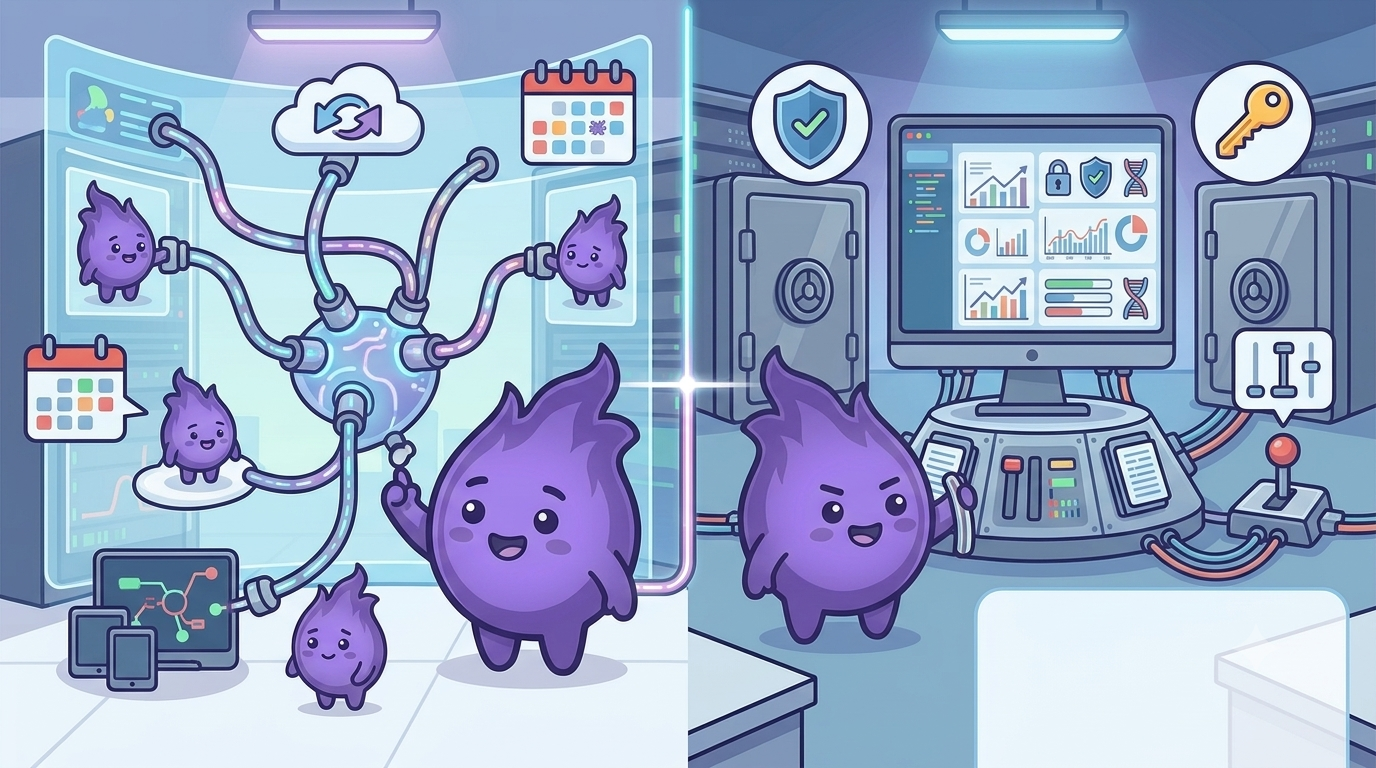
Flexibility makes digital trials more human. But it only works when the system can bend without breaking.

Digital first does not mean digital only. Paper still has a quiet role in making trials more resilient, inclusive and human.

Not everything entered electronically is eSource. The true source is where the data is original, complete, and auditable.

In digital trials, clean data does not mean flawless data. It means data you can trust, track, and explain.

More data is not always better. Without clear purpose, volume creates noise, not insight.
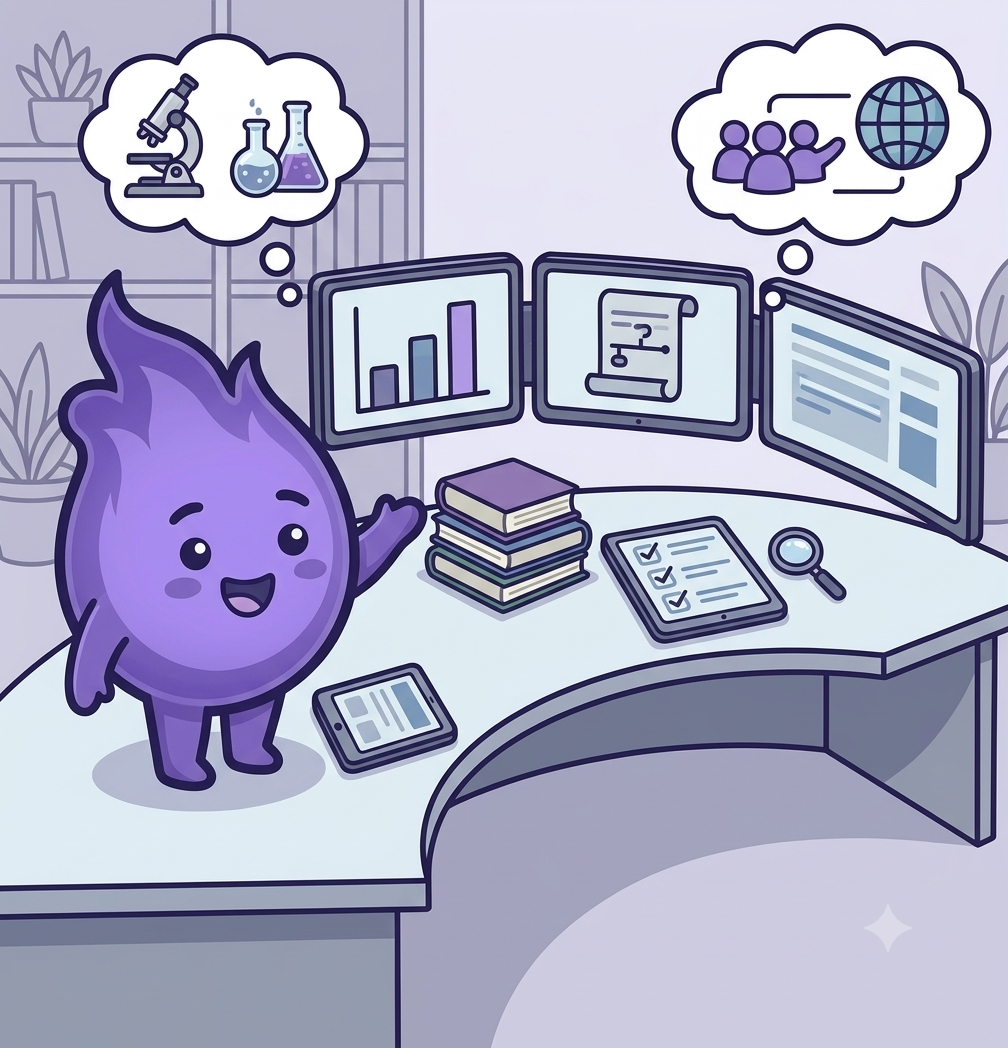
Minimal datasets are not about collecting less. They are about collecting what truly matters to answer the research question.

Participants enter their data. Then it disappears. Showing them where it goes builds trust, care, and long-term engagement.
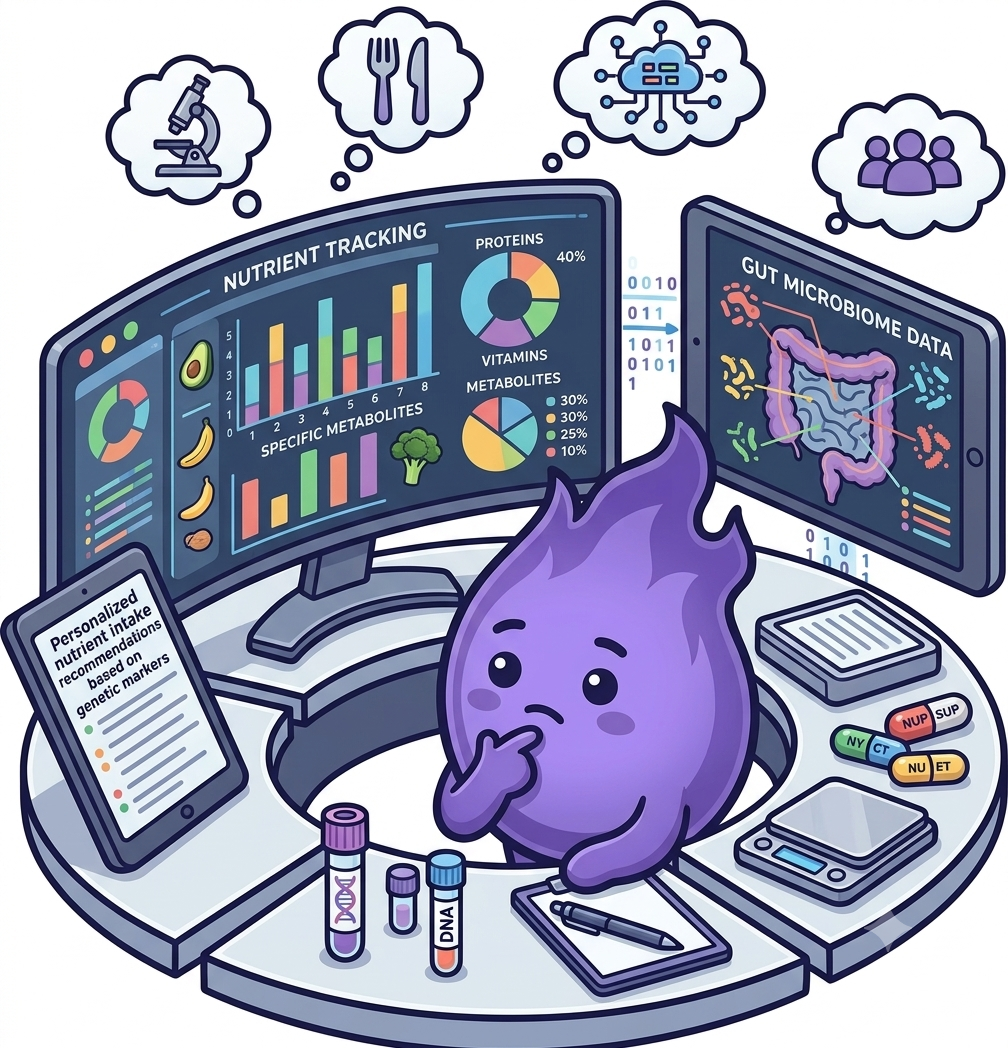
Digital tools for nutritional trials need more than structure. They need space to capture patterns, behaviours, and context.
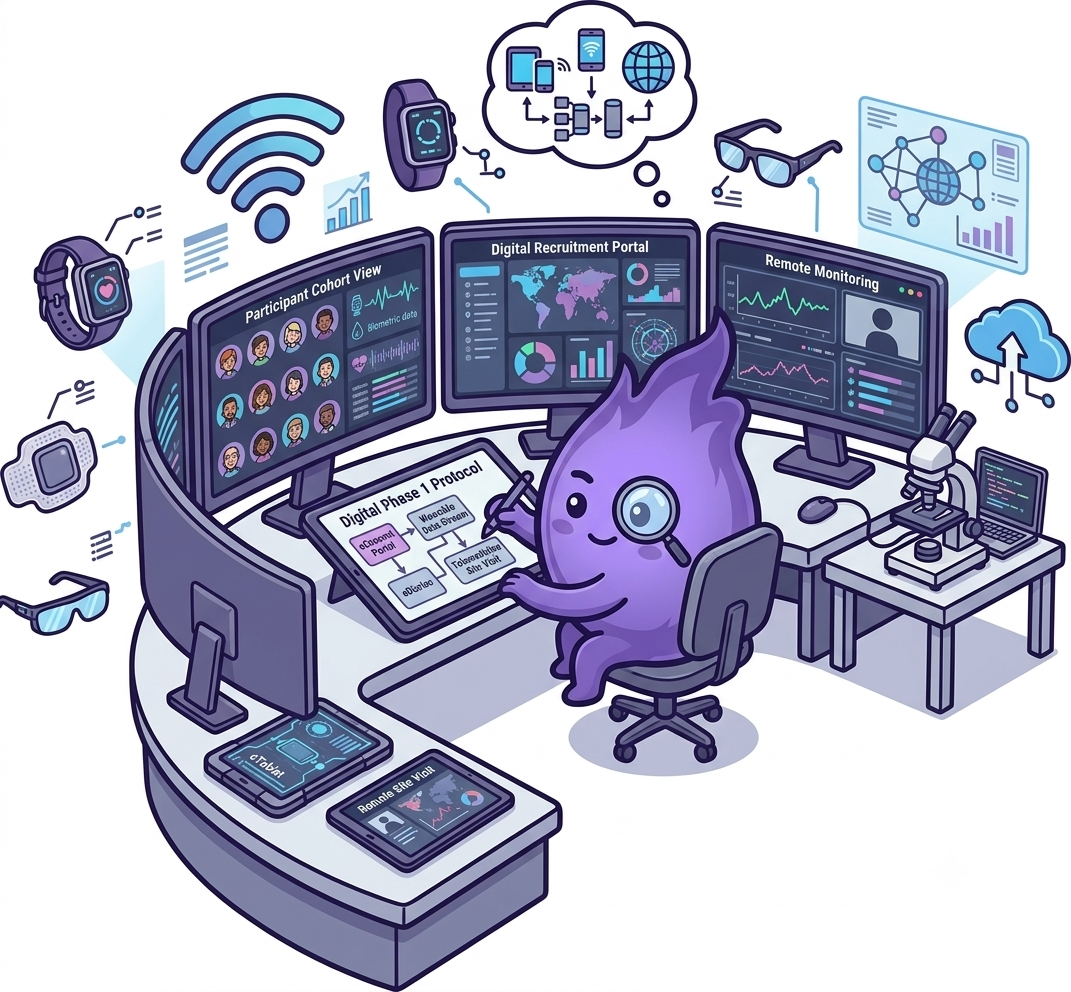
Digital Phase 1 trials need more than technology. They need systems built for fast signals, real-time oversight, and safety-first design.
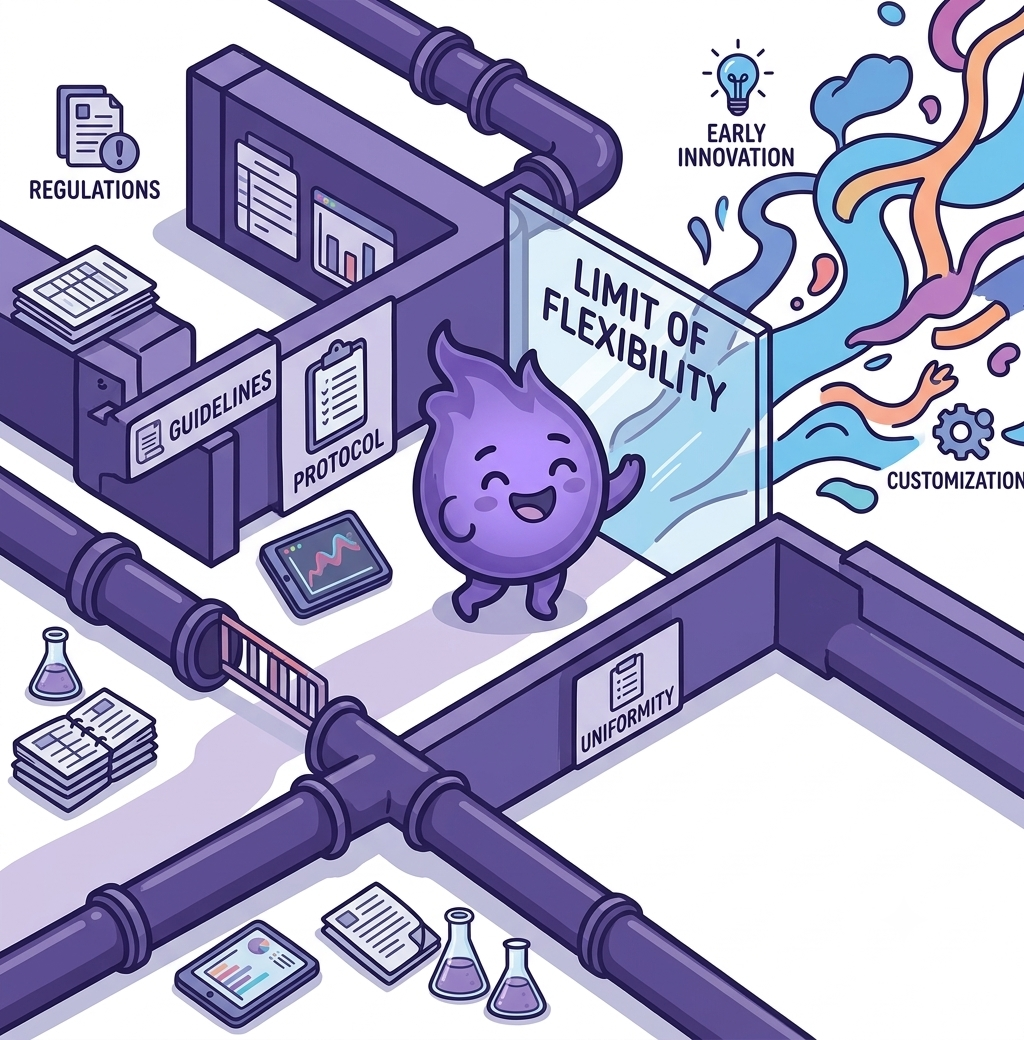
In Phase 3 trials, flexibility is not about lowering standards. It is about designing systems that adapt without breaking.
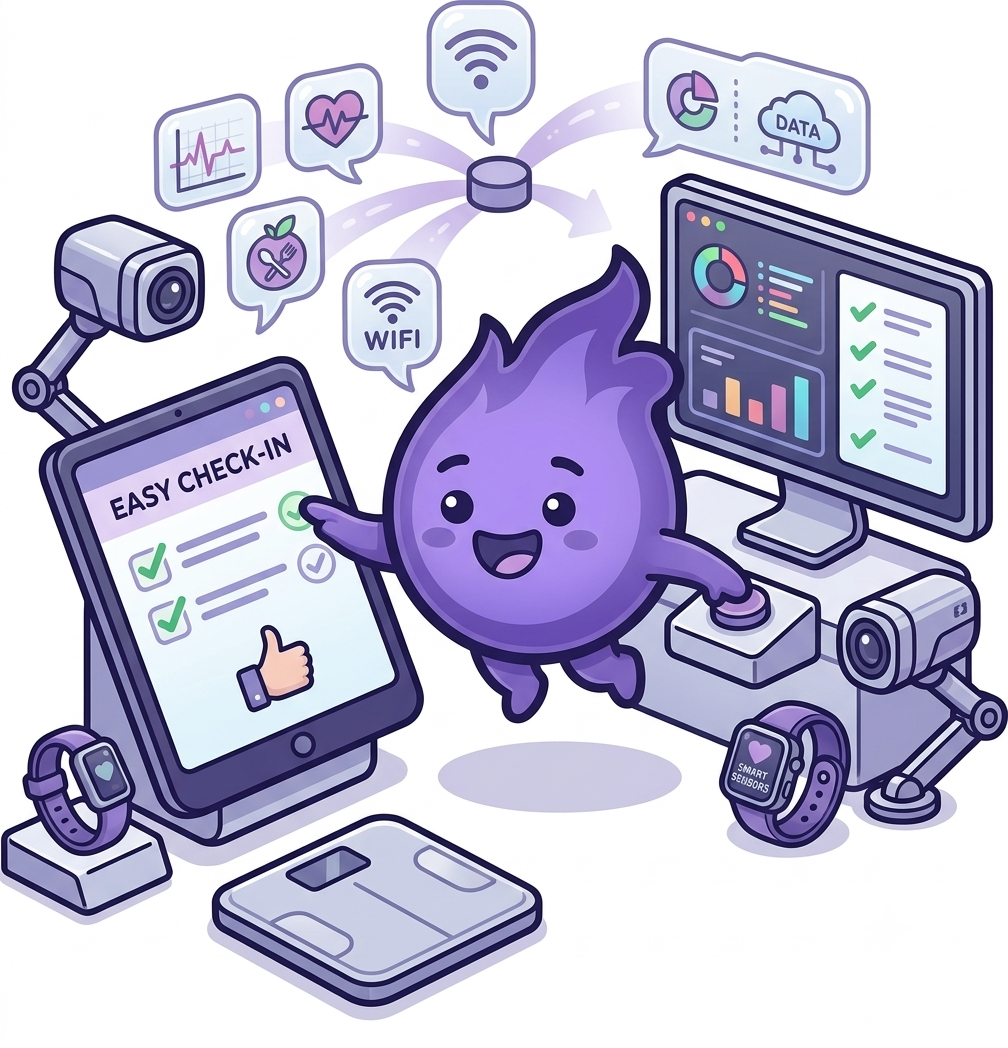
The trial may end, but the data journey continues. Post-market studies demand new ways of collecting meaningful, low-burden data.
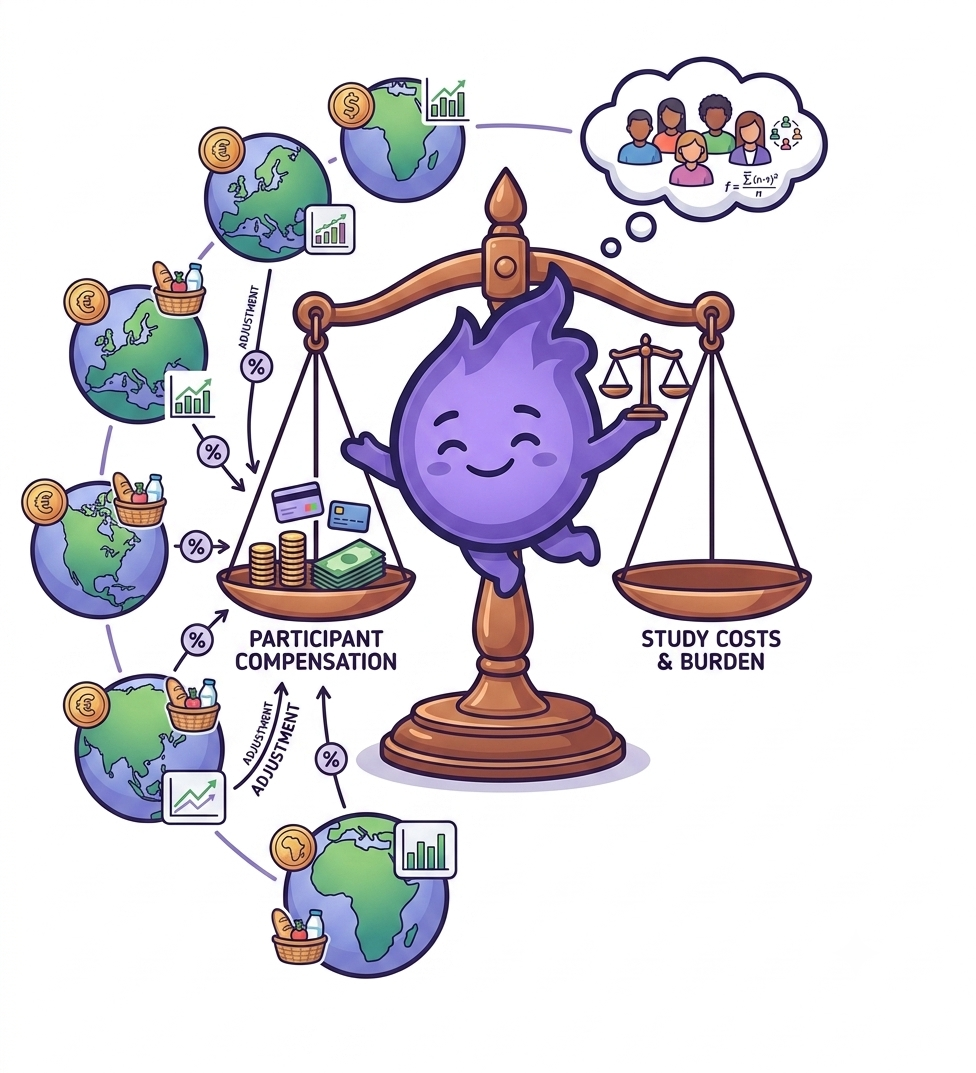
Paying participants fairly across different countries is harder than it sounds. What counts as reasonable in one setting can look coercive, or insultingly low, in another.
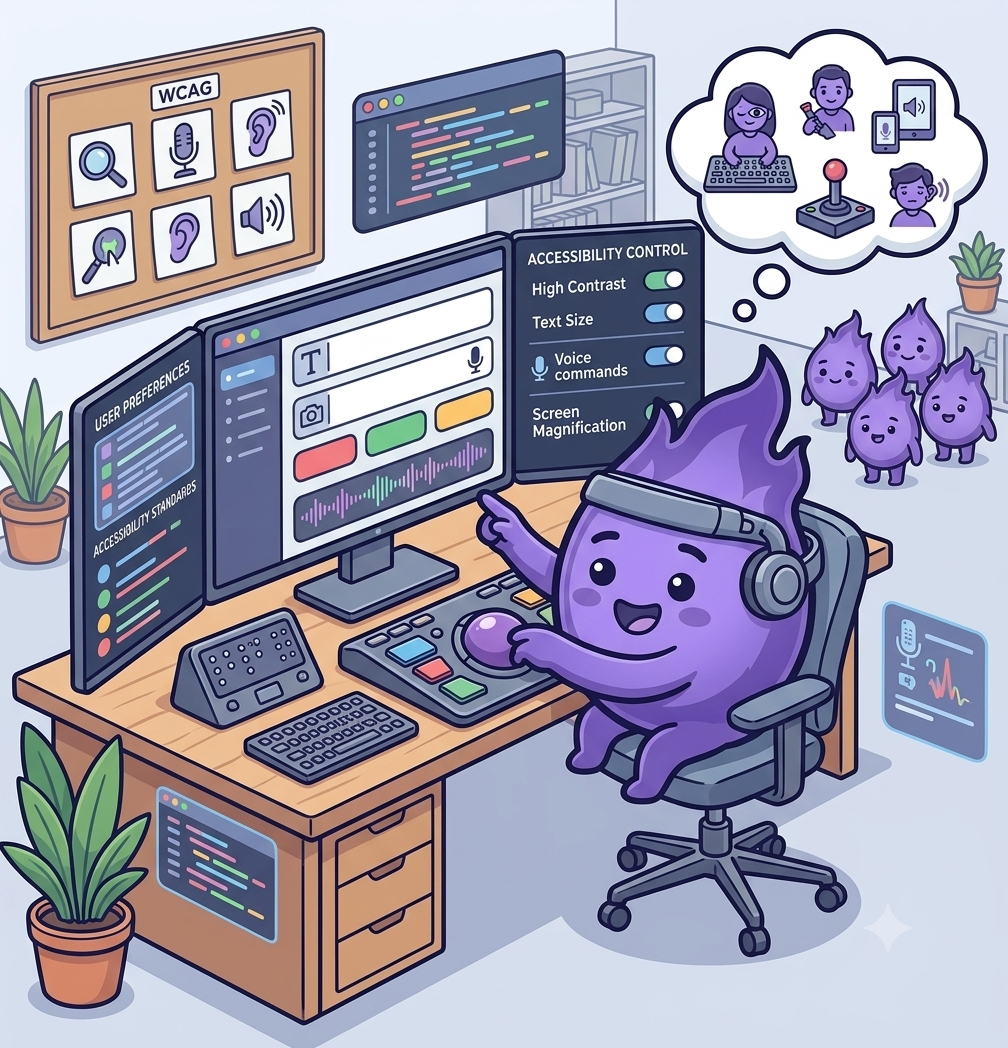
Accessibility is not a checklist to run through at the end of a build. Left until late, it usually means redesigning the parts of the app participants rely on most.
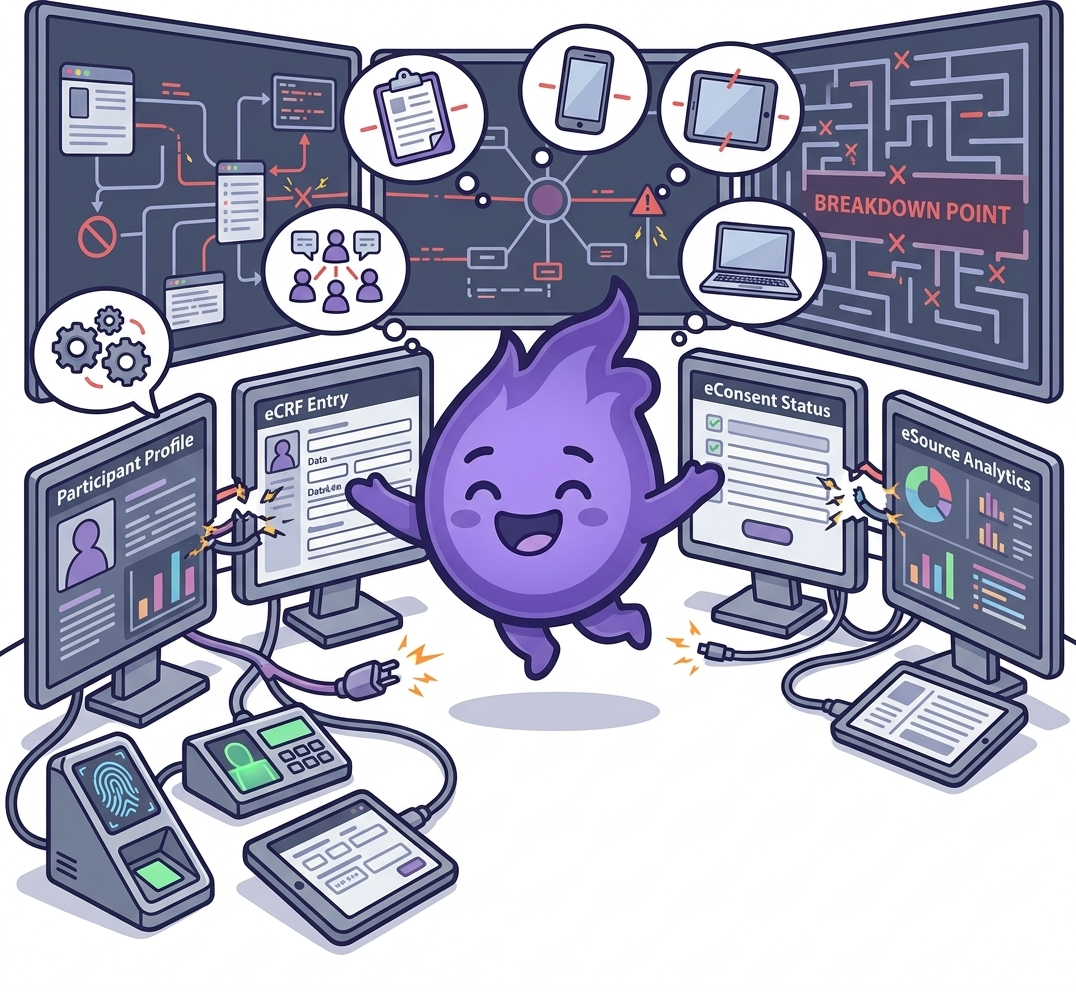
Most modern studies run on several digital systems at once. The gaps between them, not the systems themselves, are usually where the real problems start.

Not all data comes in perfectly. But that does not make it useless. Designing for partial compliance can lead to better inclusion, richer insight, and more realistic results.

A regulator halved its own target processing time for low-risk amendments. That says more about the old bottleneck than the new pathway does.
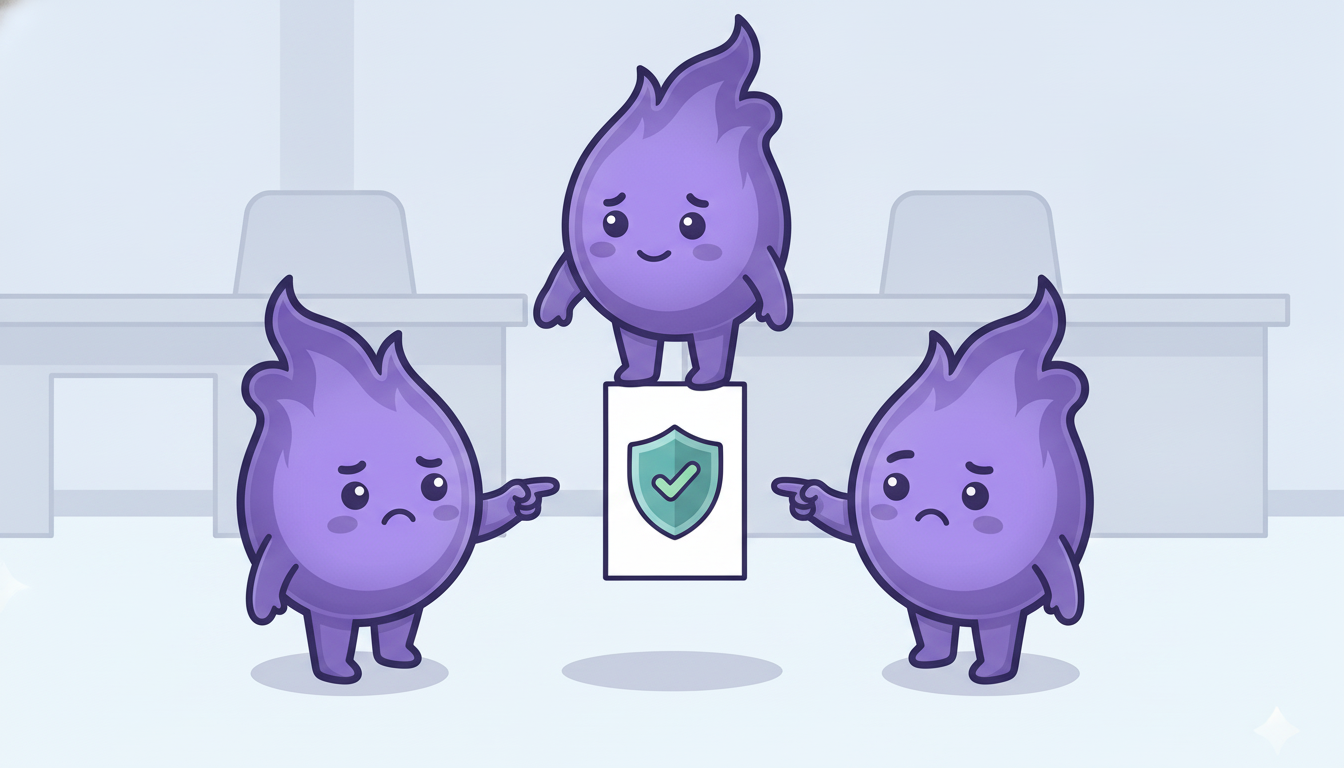
An MHRA inspection finding exposed an assumption sitting quietly between a research ethics committee and a Phase 1 site: everyone thought someone else had checked.

A scoping review of 53 completed studies found the same handful of problems recurring, and they're not the ones most marketing decks lead with.
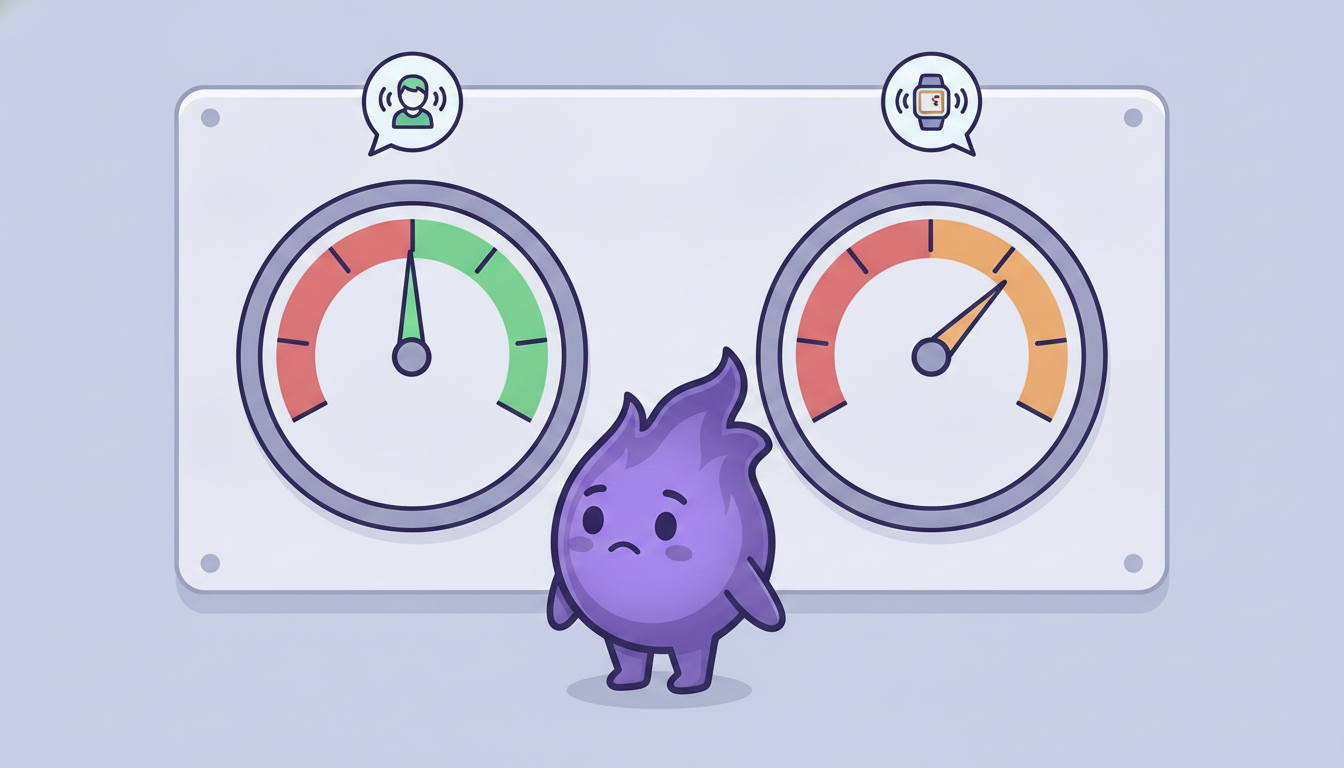
In one pragmatic trial, 64% of participants who described their condition as poorly controlled turned out, on objective measurement, not to be. That's not a rounding error.

An analysis of 13 real charters found most meet the baseline standard, and still leave out the decisions that matter most when something actually goes wrong.

A national survey found only 10 to 11% of studies actually used it. The reasons why are more instructive than the guidance that recommends it.

A study of 92 UK trial information leaflets found most mention a retention plan. Fewer than one in five actually match what the protocol says.

43 studies point to the same recurring obstacles, and the same recurring fixes, most of which have nothing to do with recruitment messaging.

35 studies, over 13,000 participants, and not one that found paper consent came out ahead.
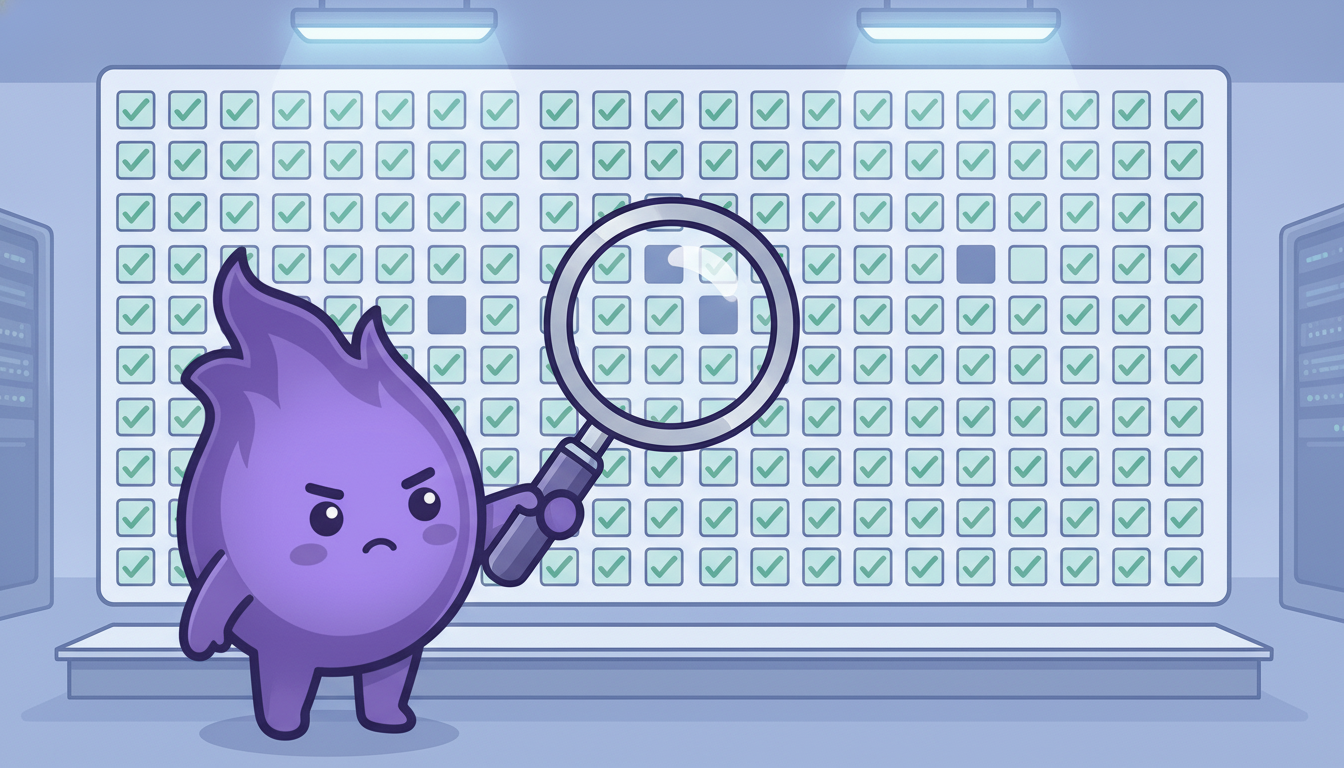
Almost every trial reviewed had some. Fewer than one in ten had none. What happened to it afterwards is where the real gap sits.

13 of 14 real consent forms scored above an eighth-grade reading level. The recommended target has existed for years. The forms haven't caught up.
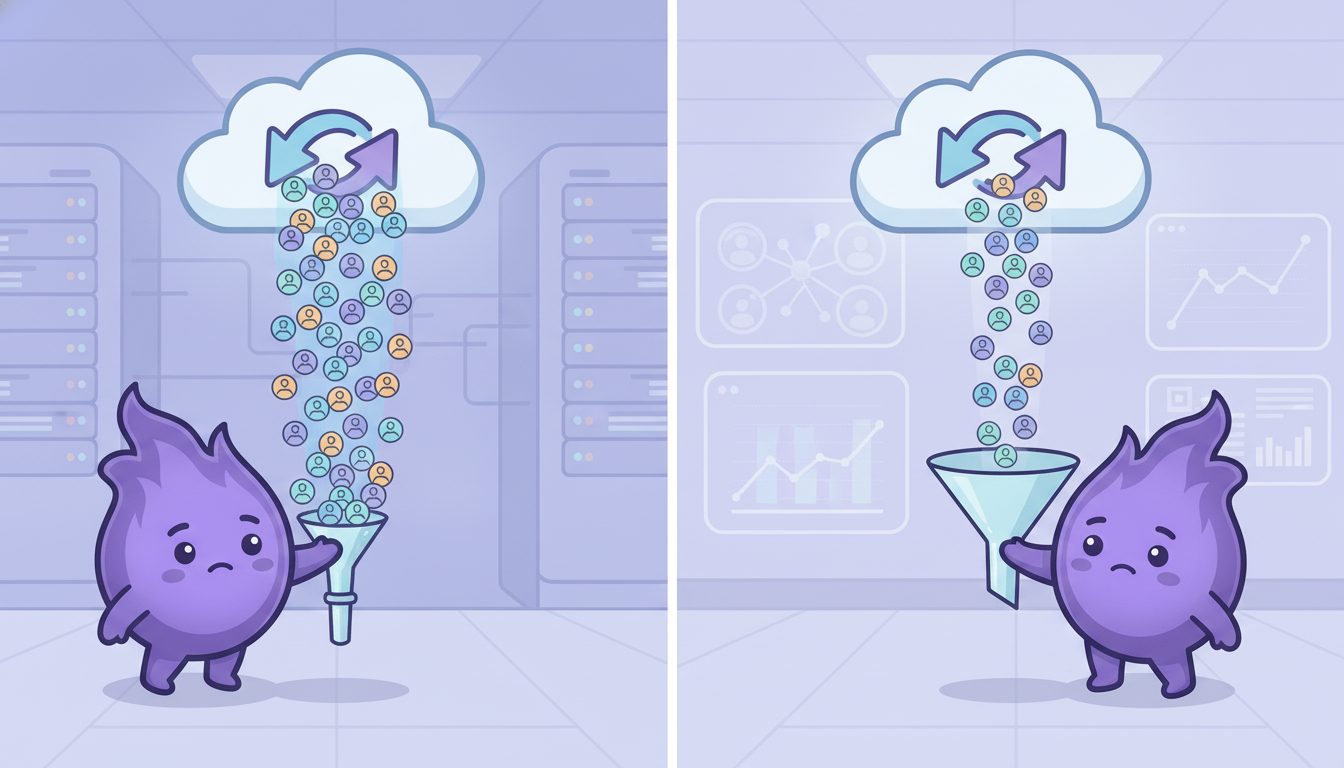
Online recruitment was cheaper and faster per active day. It was also worse at actually converting interest into enrolment. Both things are true at once.

Amsterdam and Singapore, different platforms, different populations, and strikingly similar answers about what actually helps and what actually gets in the way.
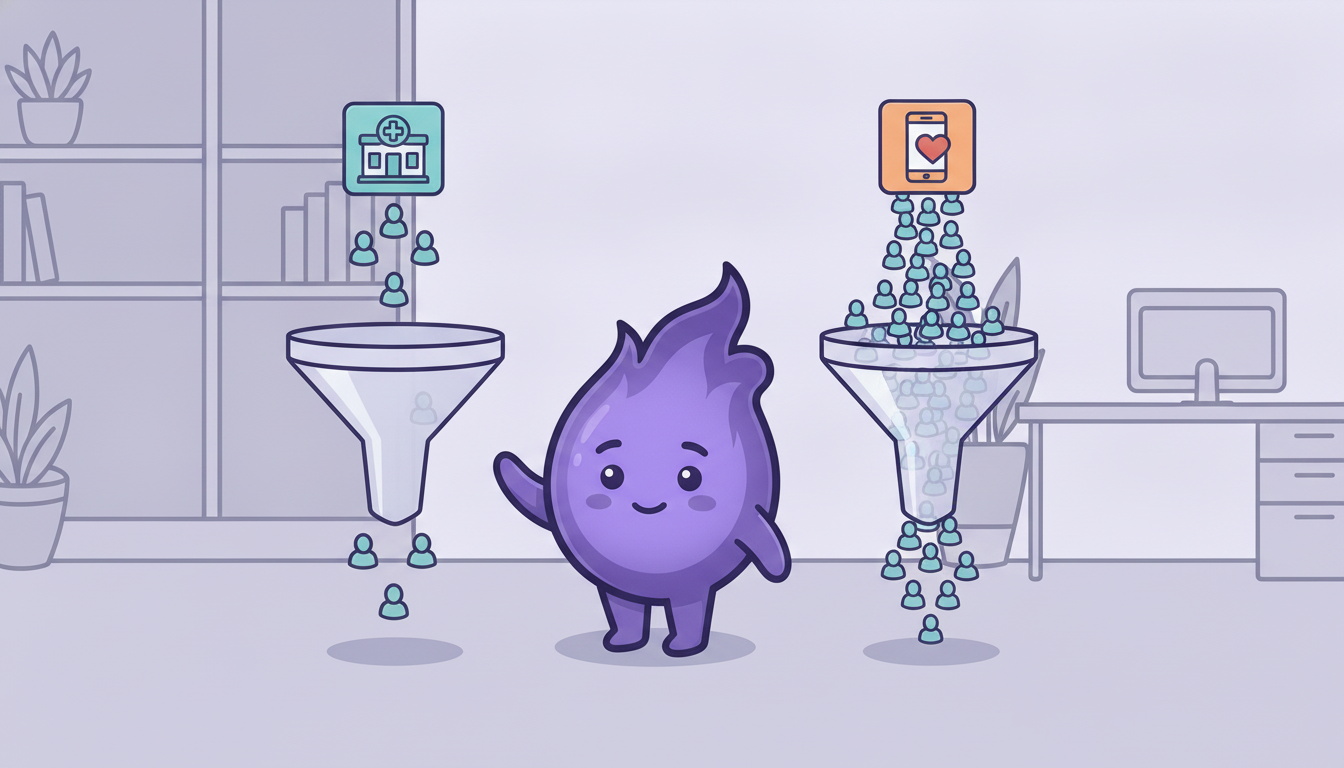
Social media recruited ethnic minority participants at six times the rate of primary care in this dermatology trial. That's a bigger effect than most recruitment strategy conversations account for.
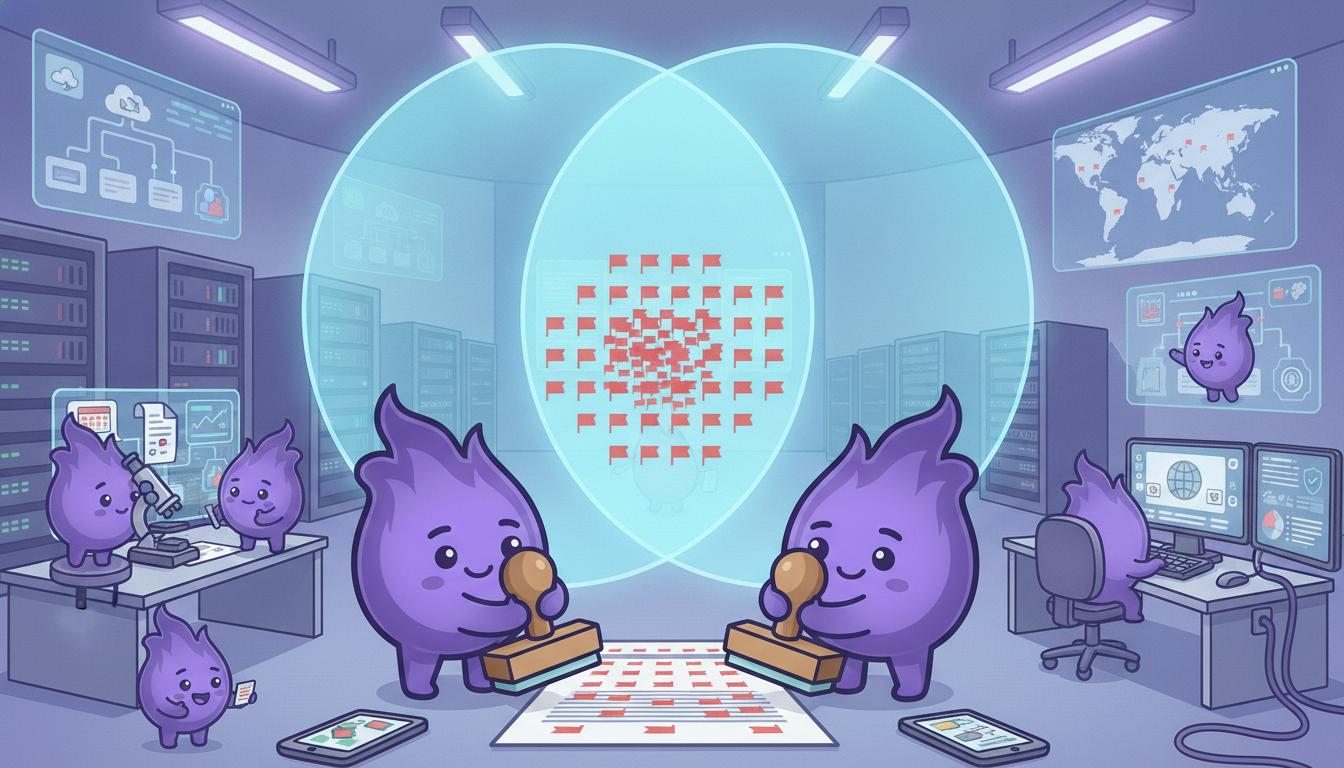
Two regulators, different frameworks, and around 90% agreement on what actually goes wrong. That's a stronger signal than either agency's findings alone.

Fewer than half the studies reviewed even reported a compliance rate. Among those that did, the average was 71.6%, not the near-universal completion some designs assume.

For an underrepresented population, phone calls outperformed text messages by a wide margin. That cuts against a fairly common assumption about digital-first outreach.

Trial volume has grown faster than the coordinator workforce supporting it. A refined workload model shows just how unevenly that burden is actually distributed.

Median time from study completion to posted results: over two years. That gap isn't neutral. It shapes what the published evidence actually looks like.

Single IRB review got sites to approval 40 days faster than going it alone. It also cost more than expected, and less than half of stakeholders came away satisfied.
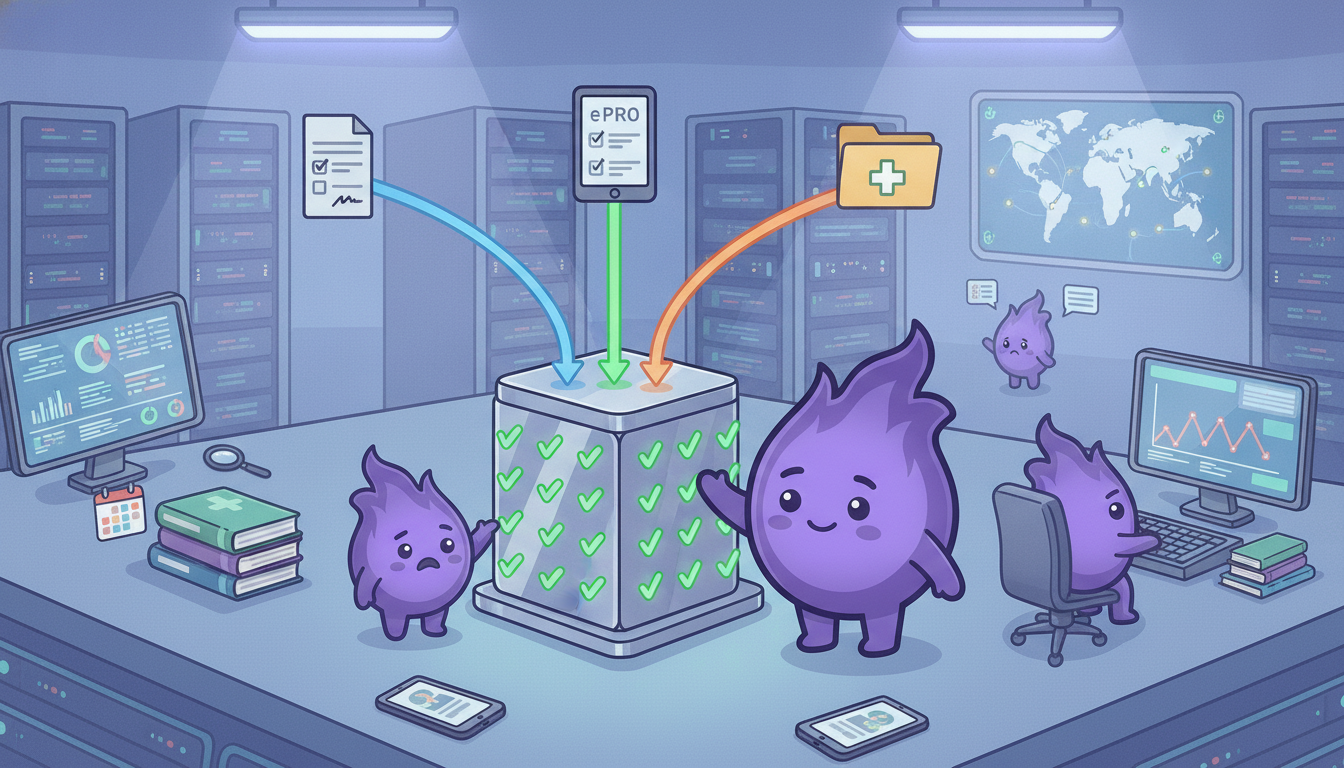
A small diabetes study fed eConsent, ePRO, and EHR data straight into its EDC system. The result was cleaner data, and a completion gap worth being honest about.

Adaptive trials depend on getting the interim look right. A review of 6,720 articles found the practical guidance on how to actually do that is thinner than the guidance on adaptive trials generally.
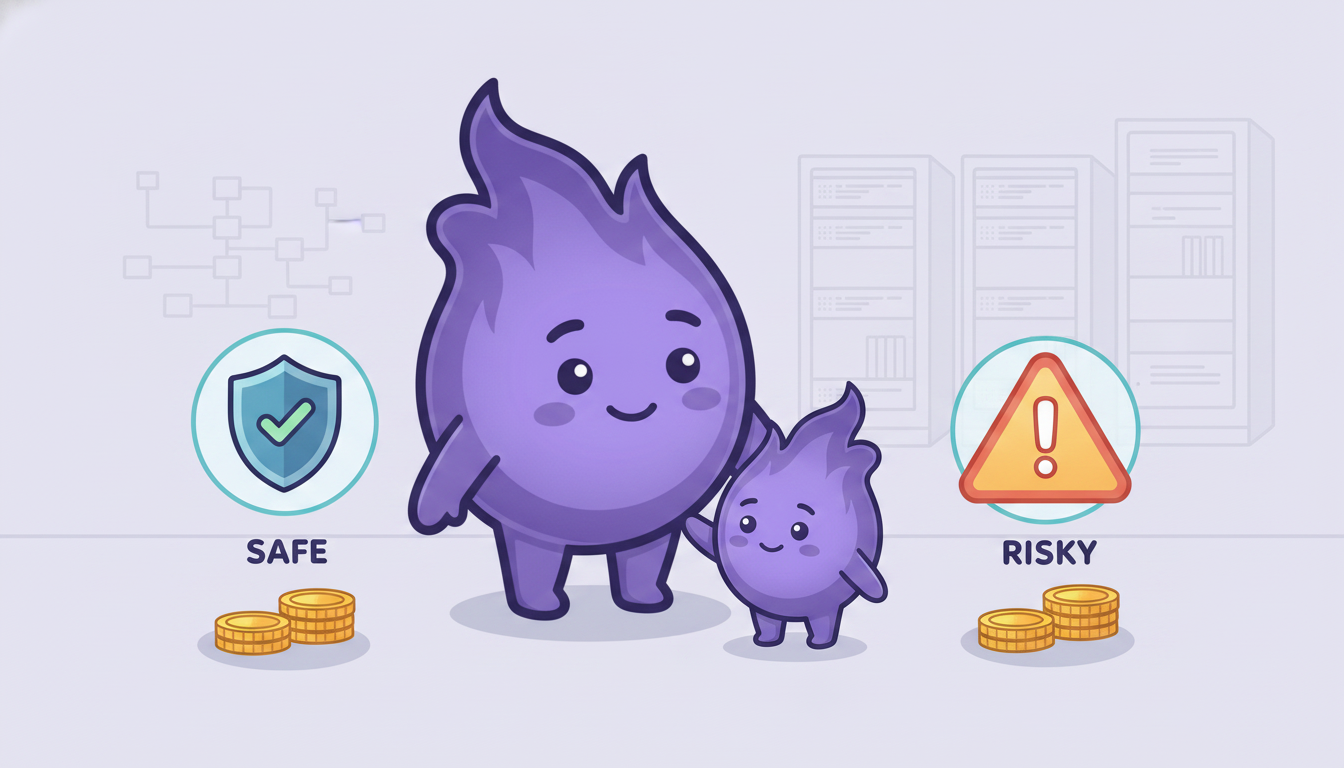
Ethics committees often worry that higher payments push people, especially children, into riskier studies they'd otherwise decline. A study built specifically to test this found no evidence of it.

Both the child's version and the parent's version of the same anxiety scale were internally reliable. They still only moderately agreed with each other.

421,045 sleep epochs compared against the gold standard. The overall numbers were strong. The stage-by-stage breakdown is where a study actually needs to look.

A systematic review of 305 trials found a typical study excludes more than three-quarters of the patients who actually have the condition. The number is likely an underestimate.

The trial registry had complete safety data every time. The journal article describing the same trial often didn't, and often disagreed with the registry when it did.

Active treatments got 27 mentions and 45 references to potential benefit. Placebos got 7 mentions, one reference to potential benefit, and in 18% of leaflets, an explicit dismissal.

A third of trials changed their primary outcome between registration and publication. Those that did reported effects 16% larger than those that didn't.

Around 90% of respondents wanted to know how their trial turned out. Depending on which survey you look at, only 16% to 37% of past participants actually did.
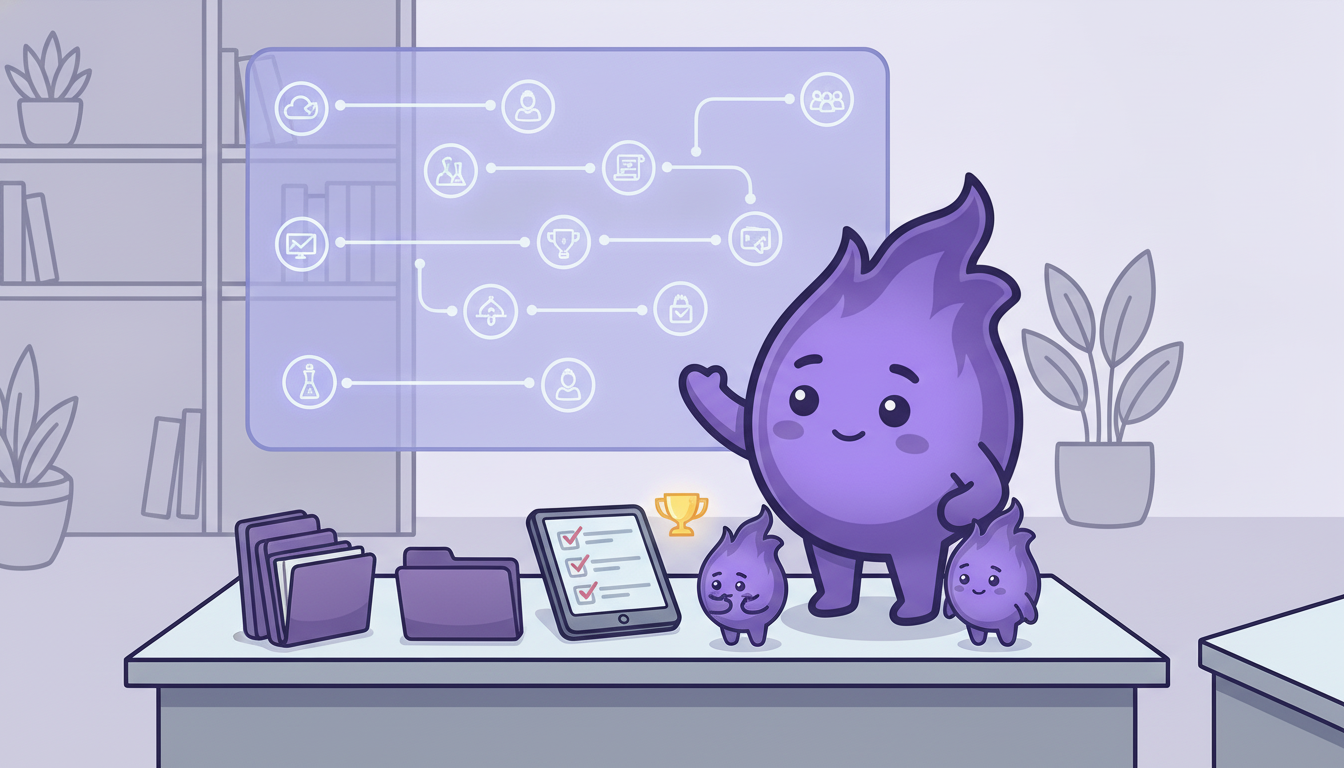
Coordinator turnover is usually described as a staffing problem. The evidence suggests it is at least as much a design problem, in how much authority and support the role actually carries.

Most sites plan capacity around how many studies they're running. The more useful question is how much of any given study each one actually demands.
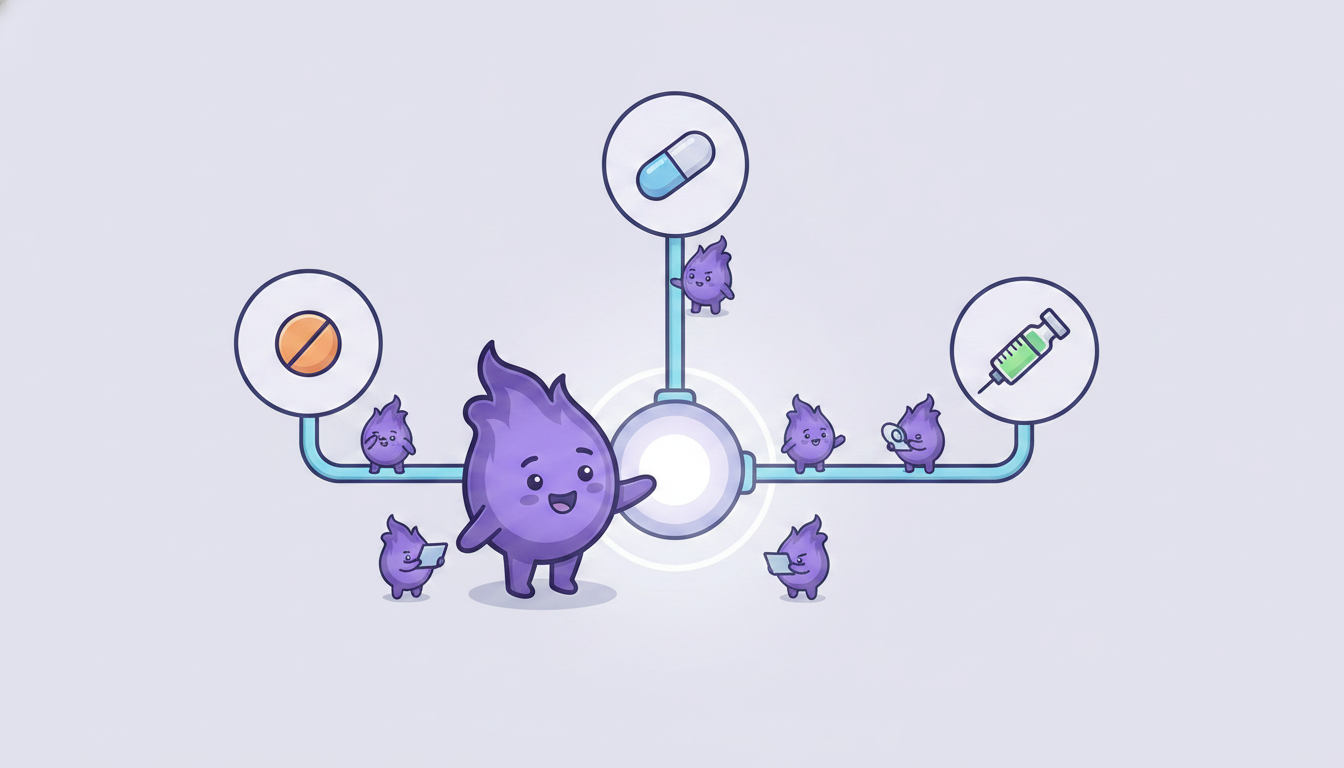
Master protocols are usually explained in the abstract. A real, currently recruiting example makes the actual operational trade-offs a lot clearer.

Digital ageism isn't usually a single obvious barrier. It's a stack of small, compounding frictions that a fully digital-first design can miss entirely.

AI shows up on both sides of trial cybersecurity now, as a genuine defensive tool and as a new category of risk. Treating it as only one or the other misses half the picture.

An unblinded interim result leaking, even informally, can compromise a study in ways that are hard to reverse. The challenges here are older than digital trials, and digital systems change them without solving them.
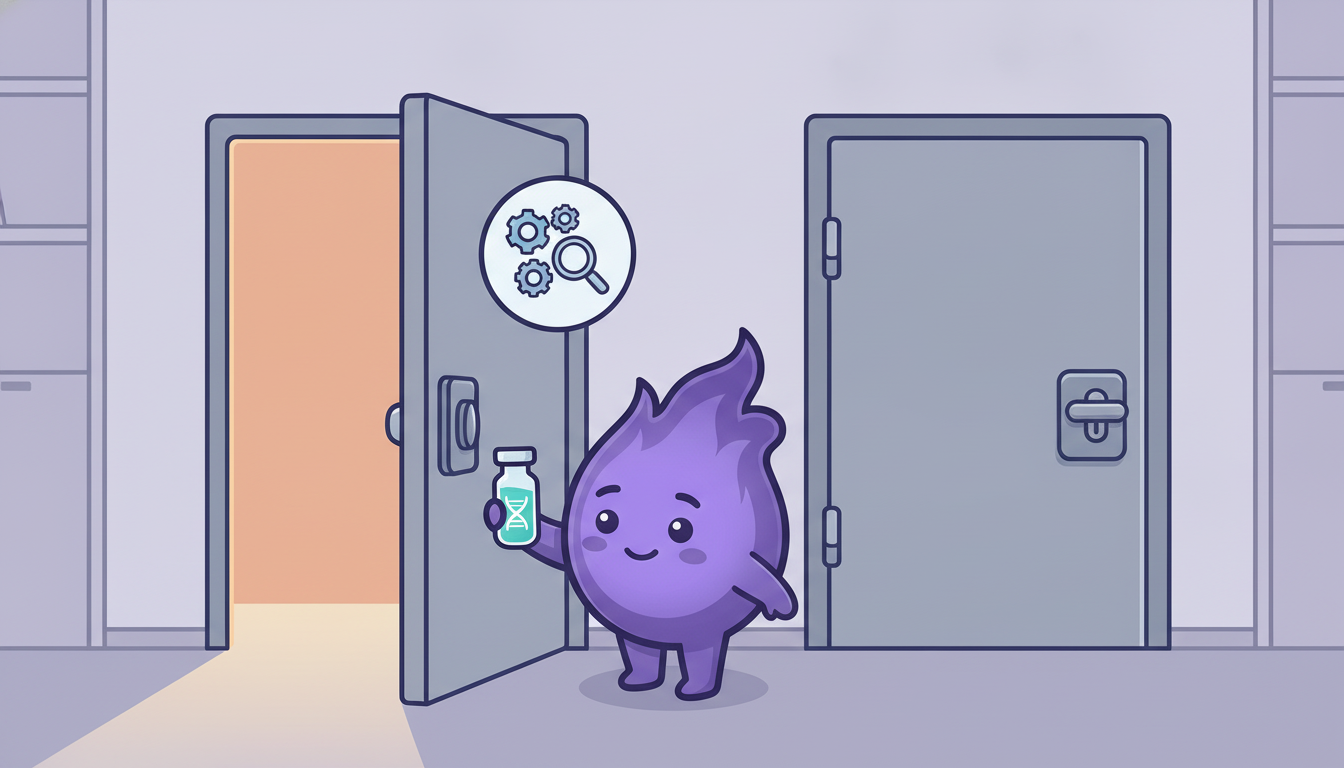
A sample collected for one study can end up used for research nobody described at the time of consent. How that gets handled varies a lot more than most participants would assume.

Randomising by individual and by cluster each solve one problem and create another. A hybrid approach exists specifically to sit between them.

Ethics committees increasingly review electronic consent processes, but what they're actually meant to check for varies more than a single checklist would suggest.

Getting participant payment right is less about the amount and more about how the process treats people while they're waiting for it.

Removing the site doesn't remove the logistics. It moves them into every participant's home, individually.

Digital recruitment is often assumed to widen reach automatically. Whether it actually does depends entirely on how deliberately it's built.

Points, streaks, and badges show up constantly in health apps. Whether they actually improve adherence is a more mixed picture than the feature list suggests.

A data sharing agreement is usually treated as a legal formality to get signed. Increasingly, it's the document that actually determines whether a study's data can be used the way researchers hoped.

Research using LLMs to draft trial documents is more specific, and more cautious, than the general hype around AI writing suggests.
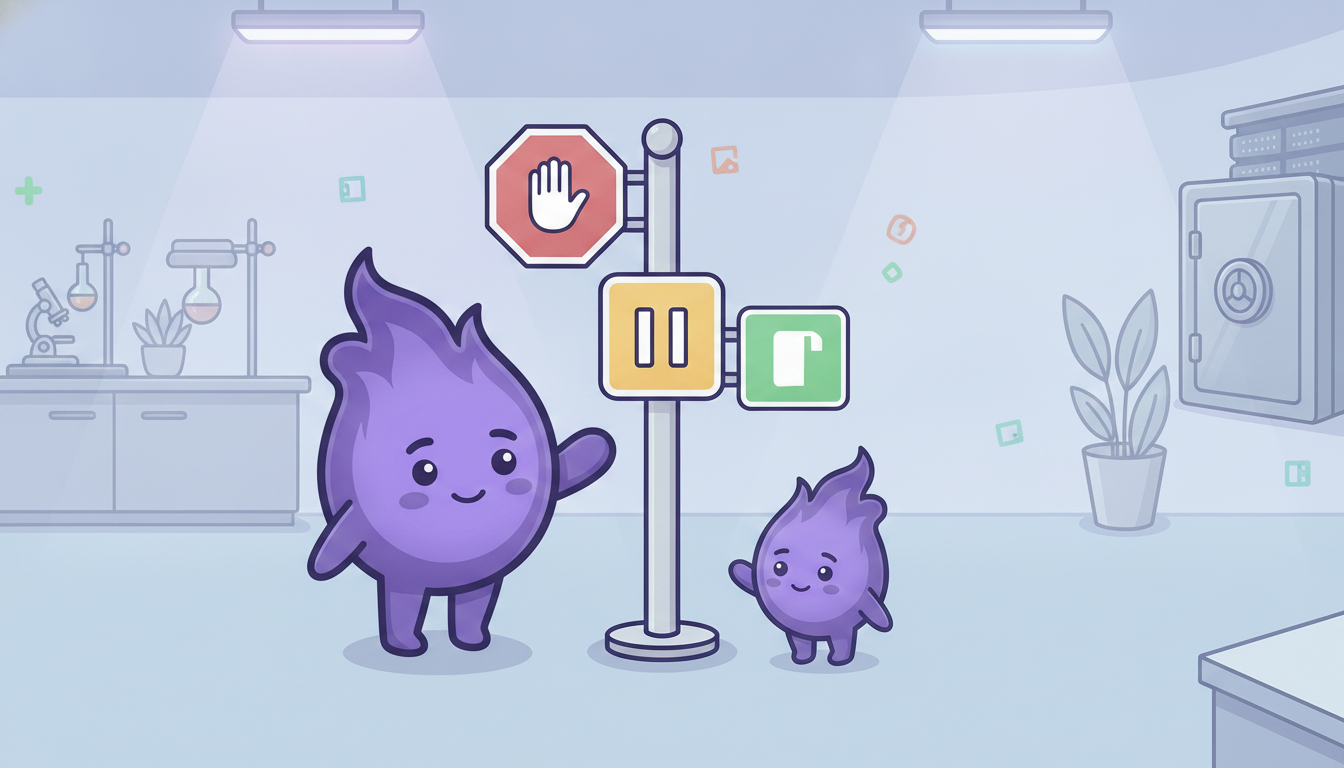
Withdrawal of consent happens often enough in real studies that leaving each site to improvise its own process is a genuine, and avoidable, source of inconsistency.

Before you can test a treatment for a rare condition, you often have to build the evidence base for what the condition actually does over time. That's its own study, with its own demands.
Cognitive impairment doesn't mean someone can't consent to research. It means capacity has to be assessed properly, rather than assumed either way.

Site selection often relies on relationship history and gut feel. A validated assessment instrument turns that into something more consistent, and more defensible.

Cross-border data transfer rules for health research have shifted again. Here's what actually changed, and what it doesn't settle.
